Watching your water meter move when you haven’t turned anything on is one of the clearest indicators of a hidden leak you can get. It’s a simple test every homeowner should know how to perform, and acting on it quickly can save you thousands in water bills and prevent serious structural damage to your property. For homeowners in Melton and Bacchus Marsh, hidden leaks are a real and relatively common issue — particularly in older homes with ageing pipe infrastructure. This guide walks you through everything you need to know, from finding your meter to understanding what a licensed plumber Melton does next.
How to Find and Read Your Water Meter
Before you can run the test, you need to locate your meter. Most Melton and Bacchus Marsh properties follow standard Victorian water meter placement. Here’s what to look for:
- The meter is almost always at the front of the property, close to the street boundary
- It sits beneath a small metal or plastic lid set into the footpath, garden bed, or concrete near the boundary fence
- The lid is usually marked “Water” or shows a water droplet symbol
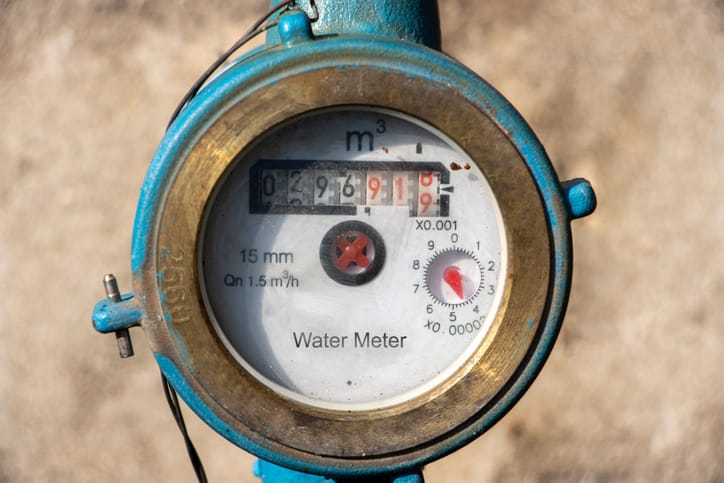
- The meter face displays usage in kilolitres — a series of black and red dials, or a digital readout depending on the meter type
- A sweep hand or small leak detection indicator (often a small triangle or star on digital meters) will move even for very small flow rates
If you’re struggling to locate your meter, your water retailer (City West Water services most of Melton; some Bacchus Marsh properties fall under Greater Western Water) can provide the meter location from their records. Your most recent water bill may also list the meter number and approximate address location.
How to Perform the Water Meter Test
The meter test itself is straightforward. Follow these steps carefully to get an accurate result:
- Turn off every tap, appliance, and water-using fixture throughout the house — inside and outside
- This includes irrigation systems and garden timers, ice makers in refrigerators, hose bibs and outdoor taps, dishwashers and washing machines, evaporative cooling systems, and any other appliance connected to the water supply
- Write down the exact meter reading, or take a clear photo of the dials
- Do not use any water for at least 15 to 30 minutes — longer is better for detecting very slow leaks
- Return to the meter and take a second reading
- If the number has increased, or the sweep hand or leak indicator has moved, water is leaving the system somewhere it shouldn’t be
Even a tiny movement is significant. A slow drip from a pinhole pipe leak can waste thousands of litres per month without you ever seeing or hearing it inside the house.
What Could Be Causing the Meter to Move?
There are several common causes, and some are easier to pinpoint than others. Movement at the meter while everything is switched off typically points to one of the following:
A Leaking Tap or Mixer
A tap that doesn’t fully close when turned off is one of the most common culprits. The washer or ceramic cartridge inside the tap body has worn or degraded, allowing water to bypass the seal and slowly drip. This can happen with kitchen mixers, bathroom basin taps, laundry taps, and outdoor hose fittings. Even a slow drip from a single tap can register on a sensitive meter over a 30-minute window.
A Running Toilet Cistern
A running toilet is often silent enough that you wouldn’t know it’s happening without checking. The cistern fills, the flush valve or inlet valve fails to seat properly, and water slowly refills the bowl or overflows into the overflow pipe. In older Melton homes with original cistern hardware, this is a particularly common finding. You can confirm a running toilet by placing a few drops of food dye in the cistern — if colour appears in the bowl without flushing, the toilet is running.
A Hot Water System Pressure Relief Valve
Every hot water storage system is fitted with a temperature and pressure relief (TPR) valve that discharges water when pressure inside the tank exceeds safe limits. On older or over-pressurised systems, this valve can weep or drip continuously, discharging water through a small pipe that typically exits through an external wall or into a drain. Because this drain is usually out of sight, the discharge goes unnoticed for months. If your hot water system is more than ten years old or hasn’t been serviced recently, the TPR valve is worth inspecting.
A Hidden Pipe Leak Inside the House
Pipes running through wall cavities, under concrete slabs, or beneath floor coverings can crack or develop pinhole leaks without any obvious external sign. Concrete slab homes are particularly vulnerable — the supply pipe runs below the slab and any leak simply soaks into the ground beneath your flooring. Signs to watch for include unexplained damp patches on floors or walls, warm spots on tiled flooring (a slab leak in a hot water pipe), and a musty smell in rooms with no obvious moisture source.
A Leak in the Underground Supply Line
The underground pipe connecting your water meter to your house can also fail. Tree root intrusion, soil movement, corrosion, and age-related degradation can all cause the supply line to crack or joint to separate. This type of leak is completely invisible at ground level until the ground becomes waterlogged or the road surface above starts to lift. Bacchus Marsh properties with large established trees in the front yard are particularly susceptible to root interference with supply line joints.
Isolating Whether the Leak Is Inside or Outside the House
Once you’ve confirmed the meter is moving, the next step is to narrow down whether the leak is inside the house or between the meter and the house. This is where the internal stop tap becomes important.
- Locate the internal stop tap — it is usually found under the kitchen sink, near the hot water system, or in a utility area. In some Melton homes it may be located in a small box near the external wall closest to the meter
- Turn the stop tap fully off to shut off all water supply to the interior of the house
- Return to the meter and observe it for several minutes
- If the meter stops moving: the leak is inside the house, past the internal stop tap. Common culprits are the running toilet, the leaking tap, the hot water system, or an internal pipe leak
- If the meter continues to move: the leak is external, in the underground supply pipe between the meter and the stop tap at the house wall. This section is the property owner’s responsibility to repair
This simple two-step test saves a licensed plumber significant time when they arrive, because you’ve already narrowed the location to one of two zones. Make sure to note which result you observed before calling.
What a Licensed Plumber Does Next
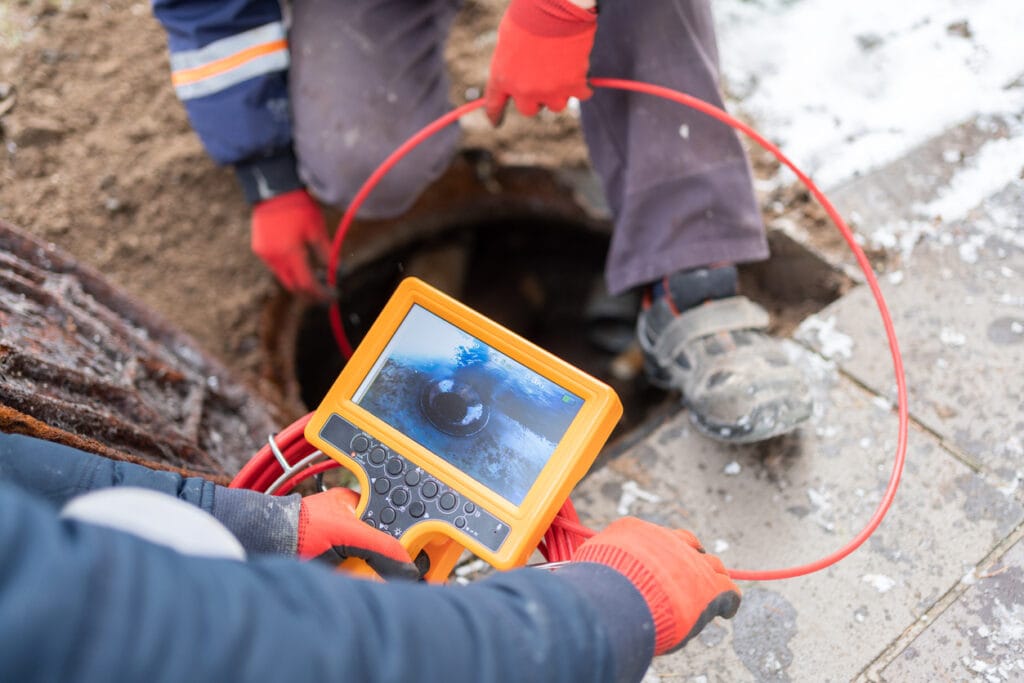
Once you’ve confirmed there is a leak and identified the approximate zone, a licensed plumber will use specialist equipment to pinpoint the exact location. This is particularly important for underground and in-slab leaks where any physical investigation without location data would mean unnecessary digging and property disruption.
Acoustic Leak Detection
Acoustic detection equipment listens through the ground or wall surface for the sound signature of escaping water under pressure. By systematically moving the sensor across the suspect area, the plumber can locate the leak to within a matter of centimetres. This technology has dramatically reduced the amount of property disruption involved in finding slab and underground leaks — where previously a plumber might have needed to excavate a wide trench, acoustic detection narrows it to a single targeted dig.
Pressure Testing
Pressure testing isolates sections of the pipe network to confirm where pressure is dropping. By fitting a pressure gauge and isolating different sections of the pipe, the plumber can confirm exactly which section of pipe is losing water. This complements acoustic detection and provides a quantitative confirmation of the leak’s location.
Thermal Imaging
For hot water pipe leaks under slabs or inside walls, a thermal imaging camera can detect the heat signature radiating from the leaking hot water. This is a non-invasive method that can locate hot water slab leaks quickly, often without needing to remove any flooring or wall material to confirm the location before repair work begins.
What Happens If You Ignore a Running Meter?
Ignoring a water meter that is still running when nothing is on is never the right call. The consequences compound over time, and what starts as a mildly elevated water bill can escalate into a much larger and more expensive problem. Here’s what’s at stake:
- Dramatically increased water bills: A moderate hidden leak can waste 500 to 1,000 litres per day. Over a quarterly billing period, this can add hundreds of dollars to your water account
- Structural damage: Water leaking under a slab or inside a wall cavity saturates the subfloor, weakens concrete, corrodes steel reinforcement, and can cause significant settlement or cracking over time
- Mould and health risks: Persistent moisture inside walls and under flooring creates ideal conditions for mould growth, which can spread through the home and cause respiratory issues
- Increased insurance risk: Some home insurance policies limit or exclude claims for damage caused by a leak that the owner knew about but did not repair in a timely manner
- Higher repair cost later: A pinhole pipe leak that could be repaired in an hour becomes a slab repair and floor reinstatement job if left long enough for the surrounding concrete to degrade
Conclusion
A water meter that keeps ticking when every tap is off is telling you something important. Don’t ignore it. The test takes less than 30 minutes, costs nothing, and gives you the information you need to act before a small leak becomes a large repair bill. If the meter confirms movement, a licensed plumber Bacchus Marsh with the right detection equipment is your next call — not a wait-and-see approach.
New Image Plumbing and Gas provides water leak detection across West Melbourne, using acoustic detection, pressure testing, and thermal imaging to find hidden leaks without unnecessary disruption to your property. Our team is available 24 hours a day, 7 days a week, including for urgent leak situations. Call us on 0468 125 098 or book via our online form for fast, honest service backed by our workmanship guarantee.
Frequently Asked Questions
How long should I wait during the water meter test?
Wait at least 15 to 30 minutes with all fixtures, appliances, and automated systems completely off. For very slow leaks, a longer window gives a more definitive result. Ensure irrigation timers, ice makers, refrigerator water lines, dishwashers, and evaporative cooling systems are all off or isolated before starting the test — any of these running automatically during the period will give a false positive result.
If the meter stops after I turn off the internal stop tap, what does that mean?
It means the leak is inside the house, past the internal stop tap. Common sources include a running toilet cistern, a leaking tap that doesn’t fully close, a deteriorating hot water system pressure relief valve, or a pipe leak inside the walls or under the concrete slab. A licensed plumber can systematically test each component to find the exact source without guesswork.
Can I get a rebate from my water retailer if a hidden leak inflated my bill?
Yes, both City West Water and Greater Western Water offer a leak allowance for bills affected by a hidden underground leak, provided the leak has been repaired and you can supply a licensed plumber’s invoice as evidence. The credit is typically applied to a subsequent bill rather than refunded directly. Contact your retailer as soon as the repair is completed — the process and eligible credit amounts vary between providers, and applications generally need to be submitted within a set timeframe after the affected billing period.
How much can a hidden water leak cost me if left unrepaired?
The cost depends on the size and location of the leak, but even a moderate underground pipe leak can waste between 500 and 1,000 litres per day. Across a 90-day billing quarter, that adds up to 45,000 to 90,000 litres of wasted water and a significantly higher water bill. Beyond the water cost, structural damage from prolonged moisture exposure under a slab or inside a wall cavity can run into tens of thousands of dollars in remediation. Early detection and repair is always the cheaper option.
What if I can’t find my internal stop tap?
If you can’t locate the internal stop tap, a licensed plumber can identify it during the service call. Common locations include under the kitchen sink, adjacent to the hot water system, in a laundry or bathroom vanity, or in a small external access box near the meter. In some Melton properties built in the 1980s and 1990s, the stop tap may have been installed in an unusual or hard-to-reach position. A plumber will confirm its location and can also note it for you for future reference.