Waking up to no hot water is one of the most disruptive plumbing problems a household can face. Whether it’s a cold shower first thing in the morning or no hot water at all during a busy family evening, the impact is immediate. The good news is that most hot water failures have a clear cause, and knowing what to look for means you’re not waiting in the dark while the problem gets worse. This guide walks through the most common reasons your hot water system Melton has stopped working and what each of those causes actually means for your next steps.
Check the Obvious First
Before assuming your hot water system has failed, it’s worth checking the simple stuff. A surprising number of call-outs turn out to be something basic that can be resolved without a plumber needing to touch the unit at all.
- Tripped circuit breaker: Check your switchboard. If the hot water circuit has tripped, simply resetting it may restore power to the system. This happens more often than you’d think, particularly after storms or power surges.
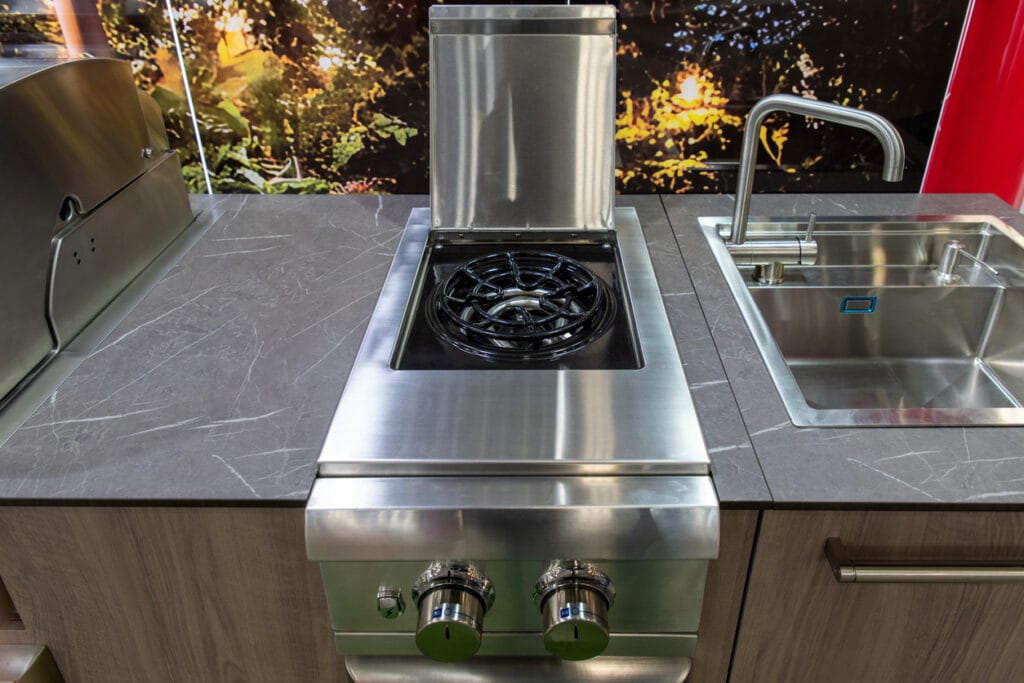
- Gas supply disruption: If you have a gas hot water system, confirm the gas supply to your home is on. Check whether other gas appliances such as your cooktop or heater are also affected. If they’re all off, contact your gas supplier before calling a plumber.
- Accidentally turned-off valve: The isolation valve on the cold water inlet to your hot water unit may have been partially or fully closed during maintenance work or by accident. Check that it’s fully open.
- Pilot light: On older gas systems, the pilot light may have simply gone out. Most units have relighting instructions printed on a label on the unit itself. Follow these carefully before calling anyone out.
These checks take a few minutes and cost nothing. If none of them identify the problem, it’s time to dig deeper.
Faulty Thermostat
The thermostat controls the temperature your hot water system heats water to. When it fails or drifts out of calibration, the system may continue to run but produce water that never gets warm enough, or in some cases, water that becomes dangerously hot.
- Symptoms: Water is lukewarm rather than hot, or the temperature fluctuates inconsistently throughout the day even when usage hasn’t changed.
- Who it affects: Thermostat failure is one of the most common causes in electric hot water systems, particularly units that are five years or older.
- The fix: A licensed plumber Melton can test the thermostat with a multimeter and replace it without replacing the whole unit. It’s one of the more cost-effective repairs available.
- Temperature setting: Australian standards recommend setting hot water systems to at least 60°C to prevent Legionella bacteria growth. If your thermostat was set too low, adjusting it may resolve the problem entirely.
Failed Heating Element (Electric Systems)
Electric storage hot water systems rely on one or two heating elements submerged inside the tank to heat the water. These elements work in a similar way to the element inside an electric kettle, and like all components under constant heat and water exposure, they eventually fail.
- Single element failure: Many systems have both an upper and a lower element. If only one fails, the system may still produce some hot water but run out much faster than usual, particularly under higher demand.
- Complete element failure: If both elements fail, the system produces no hot water at all despite appearing to run normally.
- How it’s tested: A plumber uses a multimeter to test for continuity across the element. A failed element gives no reading.
- The repair: Element replacement is a standard job. The system is isolated, drained partially, and the faulty element is unscrewed and replaced. Most repairs can be completed in under two hours.
- Lifespan: Elements in areas with harder water, including parts of the Melbourne west and the Bacchus Marsh region, may fail sooner due to scale buildup on the element surface. Regular system maintenance can extend element life.
Pilot Light Issues (Gas Systems)
Gas hot water systems use a pilot light to ignite the main burner. When the pilot light fails to stay alight, the burner can’t fire and the water won’t heat. This is one of the more common complaints on older gas storage units in the area.
- Faulty thermocouple: The thermocouple is a safety device that sits next to the pilot flame. It senses whether the pilot is burning by generating a small electrical current. If the thermocouple fails, it stops sending the signal that holds the gas valve open, so the pilot goes out as soon as you release the button. Thermocouple replacement is a relatively quick repair.
- Dirty pilot orifice: A blocked or partially blocked pilot orifice restricts the flow of gas to the pilot, resulting in a weak or intermittent flame. Cleaning the orifice can resolve this without replacing any parts.
- Gas pressure issues: Low gas pressure affects pilot flame stability. If other gas appliances are also running low, the issue may be upstream from the unit itself.
- Wind or draught: In some installations, particularly those in exposed outdoor locations, wind can repeatedly extinguish the pilot flame. Checking the unit’s location and ensuring it’s adequately sheltered may reduce this.
- When to stop relighting: If the pilot continues to go out repeatedly within a short period, stop relighting it and call a licensed plumber. Repeated failures can indicate a gas issue that should not be ignored.
Sediment Buildup in the Tank
Over time, dissolved minerals in the water supply, particularly calcium and magnesium, settle out of the water and accumulate at the bottom of the storage tank. This is a naturally occurring process that affects all storage hot water systems, and it’s more pronounced in areas with harder water supplies.
- Effect on heating efficiency: Sediment acts as an insulating layer between the heating element or burner and the water above it. The system has to work harder and longer to bring the water up to temperature, increasing running costs and wear on the components.
- Rumbling or popping noises: These sounds during heating cycles are often caused by water bubbling up through the sediment layer. If you hear this from your unit in Melton or Bacchus Marsh, it’s a sign the tank needs attention.
- Inconsistent temperature: A heavy layer of sediment can cause pockets of water at different temperatures inside the tank, resulting in inconsistent hot water delivery.
- Flushing the tank: Periodic flushing of the tank removes accumulated sediment and restores efficiency. This is typically done by connecting a hose to the drain valve at the base of the unit and allowing water to flow until it runs clear.
- Prevention: Annual maintenance, including checking and replacing the sacrificial anode rod, significantly slows sediment accumulation and extends the life of the tank.
The Pressure Relief Valve Is Discharging
Every hot water storage system is fitted with a pressure relief valve (also called a temperature pressure relief valve or TPR valve). This is a critical safety device. If you notice water dripping or flowing from a small pipe on the side or top of your hot water unit, the relief valve is discharging.
- Normal vs. abnormal discharge: A small amount of discharge during heating cycles can be normal on some systems as pressure builds. Continuous or frequent discharge is not normal.
- Causes of excess discharge: High incoming water pressure from the main supply, a failed expansion control valve, or a faulty relief valve itself can all cause excess discharge. In Melton and some parts of Bacchus Marsh, mains water pressure can be on the higher end.
- Why it matters: A relief valve that’s discharging heavily is doing its job, but it’s telling you something else in the system is wrong. Don’t cap or block the discharge pipe. Call a plumber to diagnose the underlying cause.
- Valve replacement: Relief valves that have been discharging for an extended period often fail to reseat properly and need to be replaced. A plumber will also check the expansion control valve and inlet pressure at the same time.
The System Has Reached the End of Its Life
Every hot water system has a finite lifespan. No matter how well it’s been maintained, there comes a point where repair costs outweigh the benefit of keeping the old unit running.
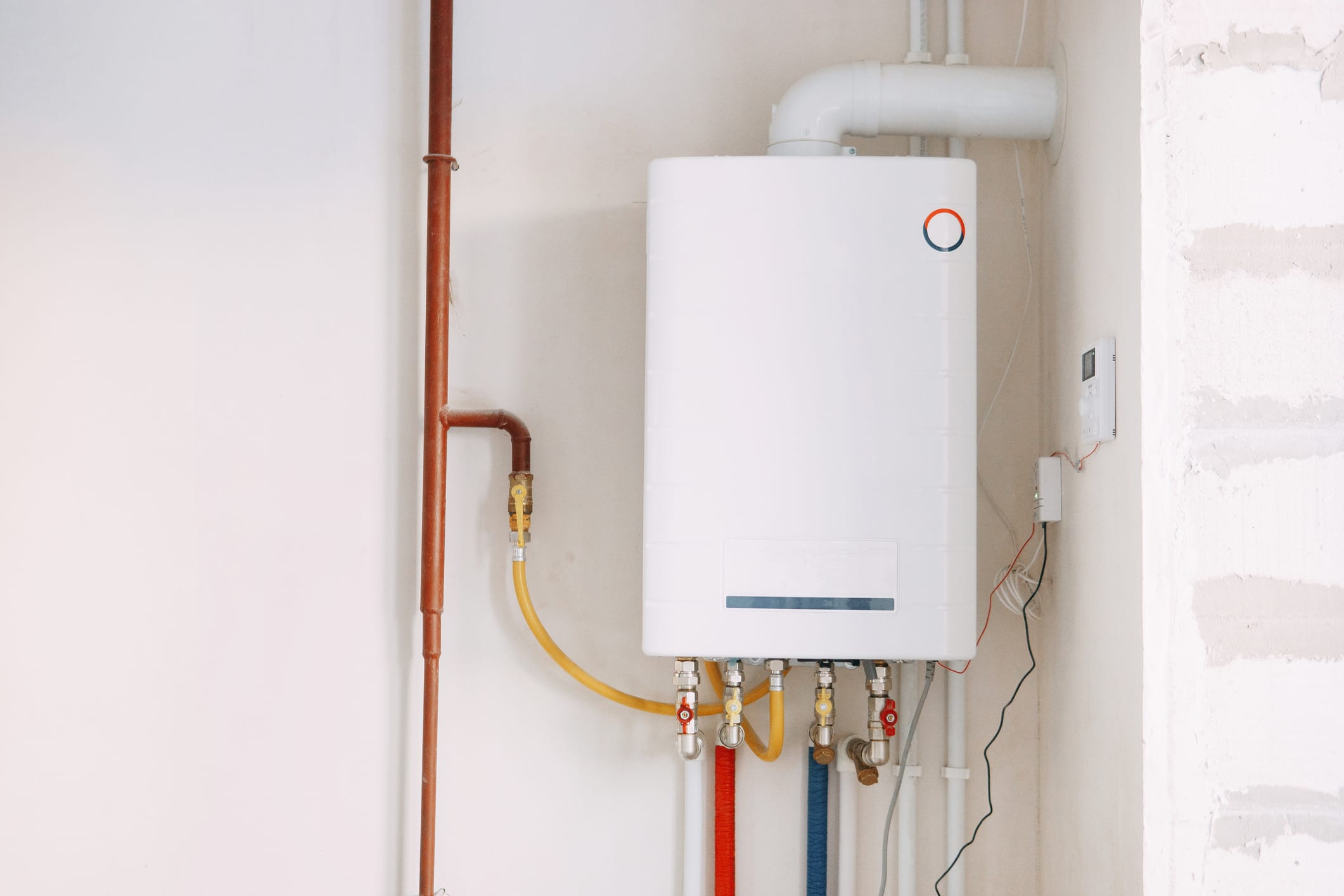
- Typical lifespan by type: Electric storage systems typically last 8 to 12 years. Gas storage systems are similar, around 8 to 12 years. Continuous flow (instantaneous) gas systems can last 15 to 20 years with regular servicing. Heat pump systems generally last 10 to 15 years.
- Signs a replacement is the better call: The tank is leaking from the base (tank corrosion), the unit is more than 10 years old and requires a major repair, rust-coloured water is coming from the hot tap, or the unit needs repeated repairs within a short period.
- Replacement options: When replacing, homeowners have the choice between gas storage, electric storage, continuous flow gas, and heat pump systems. The right choice depends on your gas connection, roof orientation, household size, and budget. A plumber Bacchus Marsh can advise based on your specific situation rather than a generic recommendation.
- Energy efficiency: A system that’s 10 or more years old is almost certainly less efficient than a modern equivalent. Replacing an ageing unit with a heat pump or continuous flow system can significantly reduce hot water running costs.
Conclusion
A hot water failure is never convenient, but most causes are straightforward once you know what you’re looking for. Whether it’s a tripped breaker, a failed element, a thermocouple on its last legs, or a tank that’s reached the end of its life, there’s a clear path forward for each one. The key is not letting the problem sit. The longer a failing system runs, the more wear it puts on surrounding components, and what starts as a simple repair can turn into a full replacement if it’s ignored for too long.
If your hot water has stopped working, New Image Plumbing and Gas can diagnose the problem and give you a straight answer on whether repair or replacement is the right call. No fluff, no overselling. Just honest advice from a licensed local plumber who knows these systems. Call us today at 0489 246 667 or get in touch through the online form and we’ll get you sorted.
Frequently Asked Questions
Is there a way to temporarily restore hot water while waiting for a plumber?
If you have an electric system and the problem is a tripped circuit breaker, resetting it may restore hot water temporarily. If you have a gas system and the pilot light has gone out, relighting it following the manufacturer’s instructions printed on the unit may help. Beyond these simple checks, don’t attempt further repairs yourself. Wait for a licensed plumber to assess the system properly.
How long does it take for a new hot water system to heat up?
After installation or restart from cold, an electric storage system typically takes 1 to 4 hours to fully heat depending on the tank capacity. A gas storage system heats faster, typically 30 to 60 minutes. A continuous flow system delivers hot water almost instantly because it heats water on demand as it passes through the unit, rather than heating and storing a full tank.
My hot water smells like rotten eggs. What does that mean?
A sulphur or rotten egg smell from hot water is usually caused by bacteria growing inside the tank, particularly when the water temperature has been set too low. Sulphate-reducing bacteria thrive between 20°C and 45°C, so a tank sitting in that range creates the right conditions. Magnesium sacrificial anode rods can also react with certain water supplies to produce hydrogen sulphide gas. The fix depends on the cause: raising the thermostat temperature, flushing and disinfecting the tank, or switching the anode rod from magnesium to aluminium or zinc.
What’s the difference between a continuous flow and a storage hot water system?
A storage hot water system heats a full tank of water and keeps it hot until it’s needed, which means standby heat loss occurs throughout the day. A continuous flow system has no tank. It heats water on demand as it flows through the unit, so you’re only paying to heat water you’re actually using. Continuous flow systems require adequate gas pressure and flow rate, and they may need a gas line upgrade if your existing supply is undersized. Both types have their place depending on household size, gas availability, and usage patterns.