Blocked drains in West Melbourne rarely happen without warning. In most cases, the pipe gives you clear signals well before it backs up completely. The problem is that most homeowners either don’t know what to look for or assume slow draining is normal. It isn’t. Catching these early warning signs and acting on them quickly is almost always cheaper and less disruptive than dealing with a full blockage, a sewage overflow, or a damaged pipe.
Here are the ten most common signs that your drain is heading toward a blockage, what each one means, and what you should do about it.
1. Slow Draining Water
What’s happening
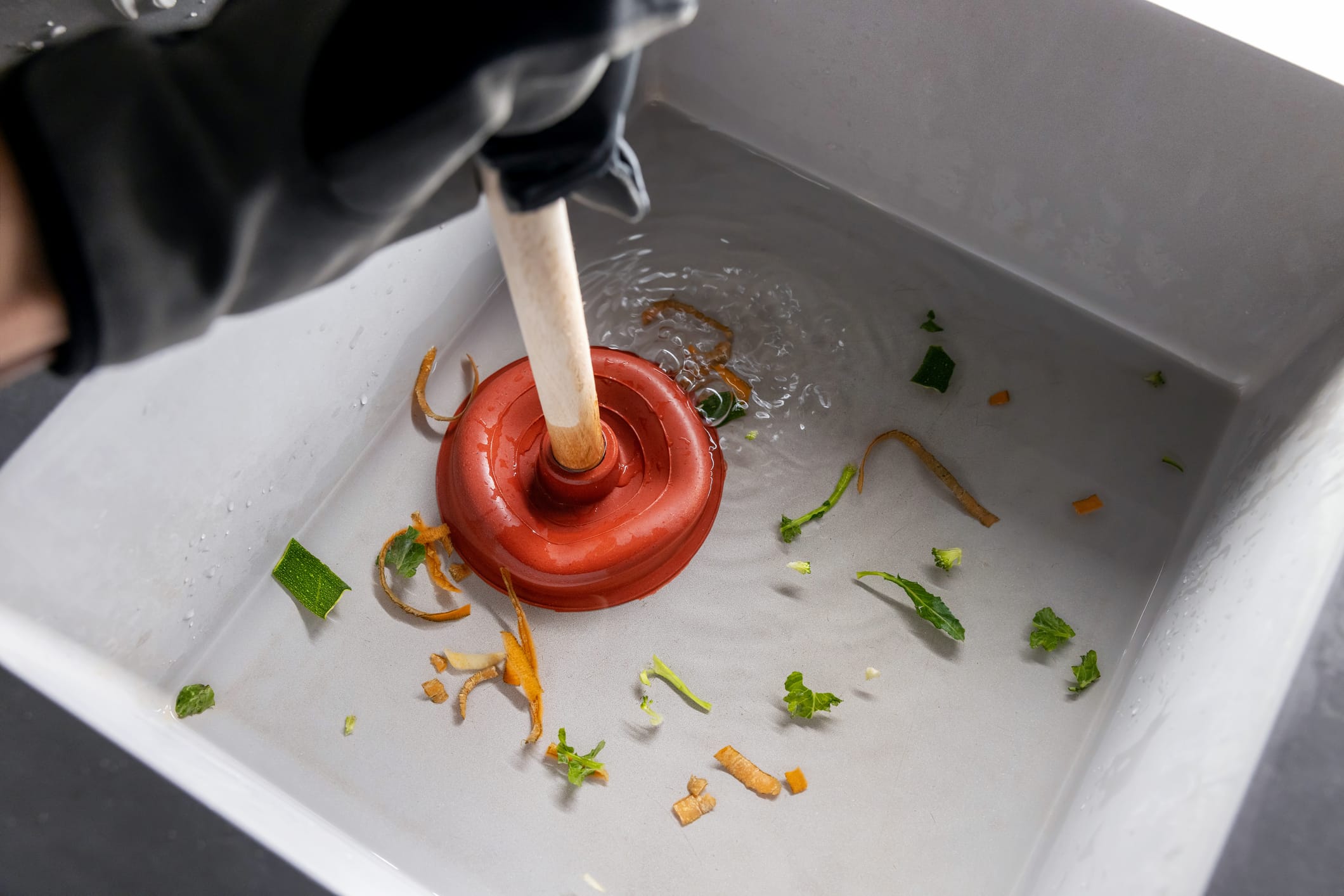
Water that sits in the sink, shower, or bathtub longer than it used to before draining is the most recognisable early sign of a developing blockage. The drain is not yet fully blocked, but the opening has been reduced by an accumulating mass inside the pipe.
Common causes
- Hair and soap scum binding together and coating the inside of the pipe
- Grease and fat buildup from kitchen use gradually narrowing the drain opening
- Toothpaste, floss, and bathroom product residue accumulating near the p-trap
- Small objects partially lodged in the drain
What to do
Don’t ignore slow draining and wait for it to get worse. A partial blockage that is caught early can often be cleared with a professional jet blast or a hand auger. Left long enough, the same accumulation hardens and becomes significantly harder to shift.
2. Gurgling Sounds
What’s happening
When you hear gurgling from a drain while water is flowing or just after it drains, the sound is caused by air being displaced around a partial blockage inside the pipe. The water is pushing through a restricted space, and the trapped air creates the gurgling noise as it escapes.
What it tells you
- The drain is partially blocked somewhere downstream of the fixture
- If the gurgling comes from a different fixture to the one in use (e.g. the toilet gurgles when you run the bathroom tap), the blockage is in a shared section of the drain line
- Gurgling that comes from multiple fixtures at once suggests a blockage in the main sewer line
What to do
Gurgling that originates from a different fixture to the one being used is a stronger warning sign than single-fixture gurgling and warrants a call to a plumber sooner rather than later.
3. Unpleasant Odours from the Drain
What’s happening
A persistent bad smell from a drain, even when the water appears to be flowing normally, is a sign that organic matter is accumulating inside the pipe and decomposing. The smell is the byproduct of that decomposition process.
What causes drain odours
- Food scraps and grease accumulating near or in the kitchen drain
- Hair and soap residue decomposing in bathroom drains
- A dry p-trap that allows sewer gas to escape directly into the room (more common in floor drains that aren’t used regularly)
- A partial blockage creating a slow-moving environment where bacteria thrive
What to do
If the smell is coming from a floor drain that is rarely used, pour water down it regularly to keep the p-trap filled. If the smell is persistent and coming from a frequently used drain, it needs to be professionally cleaned. Running more water down the drain won’t resolve a biological buildup already established in the pipe.
4. Water Pooling Around Floor Drains
What’s happening
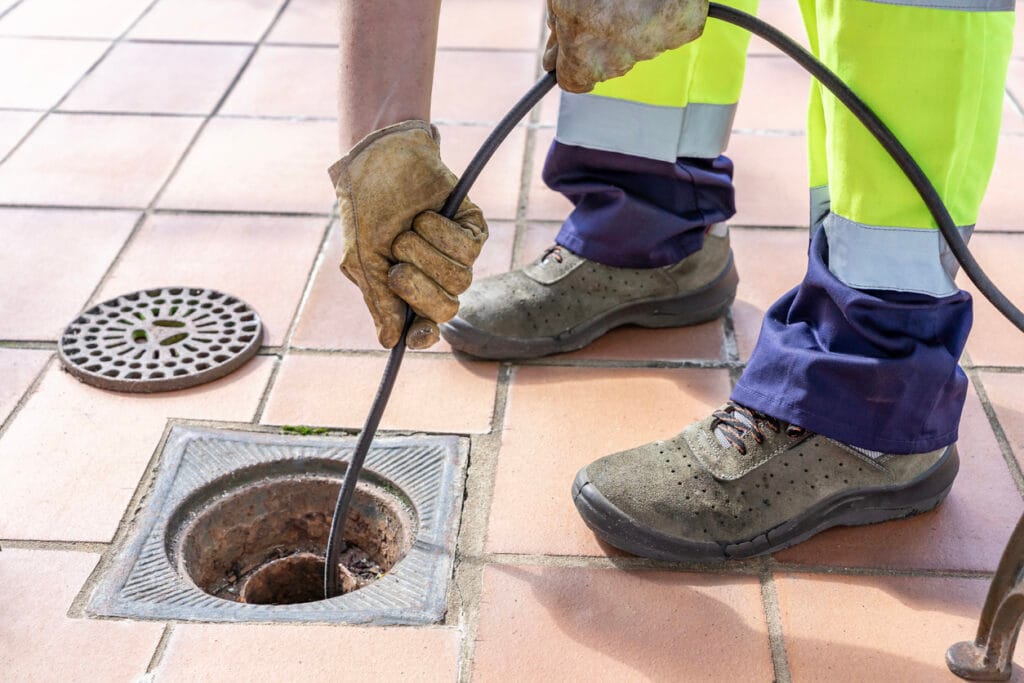
Floor drains in laundries, bathrooms, and garages are often overlooked until they start pooling water. Because they don’t see as much daily use as sink or shower drains, the buildup can progress further before it’s noticed.
Why floor drains are higher risk
- They collect debris from the floor as well as from fixtures, including lint, dirt, and detergent residue
- They are often fitted with simple strainers that don’t always catch fine material
- In garages, oil and grease can enter the drain and coat the internal pipe wall
- Leaf litter and debris can enter outdoor floor drains during rain events
What to do
Clean the strainer cover regularly. If pooling persists after the strainer is clear, the blockage is further down the pipe and needs professional attention. High-pressure jetting is typically the most effective method for floor drain clearance.
5. Toilet Water Rising Higher Than Usual Before Draining
What’s happening
A toilet that fills close to the rim after flushing before slowly settling back down is telling you that the water has nowhere to go quickly. The drain below the toilet is restricted, and the water is backing up temporarily while it finds a way through.
What can cause this
- A partial blockage in the toilet’s own drain
- A developing blockage in the main sewer line downstream of the toilet
- Tree root intrusion partially restricting the sewer pipe
- A build-up of non-flushable items including wipes, cotton pads, or sanitary products
What to do
Do not wait for the toilet to overflow. A toilet that is rising close to the rim is close to backing up, and a sewage overflow inside the home is a health hazard requiring immediate and costly remediation. Call a plumber before it reaches that point.
6. Bubbling in the Toilet When You Run a Tap
What’s happening
When you run water from a tap or a shower and bubbles appear in the toilet bowl without flushing, trapped air in the drain system is finding the path of least resistance and escaping through the toilet. This happens when a partial blockage downstream prevents the normal flow of both water and air through the system.
Why this sign matters
- It confirms the blockage is in a shared section of the drain line, not just a local fixture issue
- It indicates the venting of the drain system is being compromised
- It can also be caused by a blocked vent pipe, which prevents the drain from breathing properly and creates the same air-displacement effect
- Either cause will worsen over time and should not be ignored
What to do
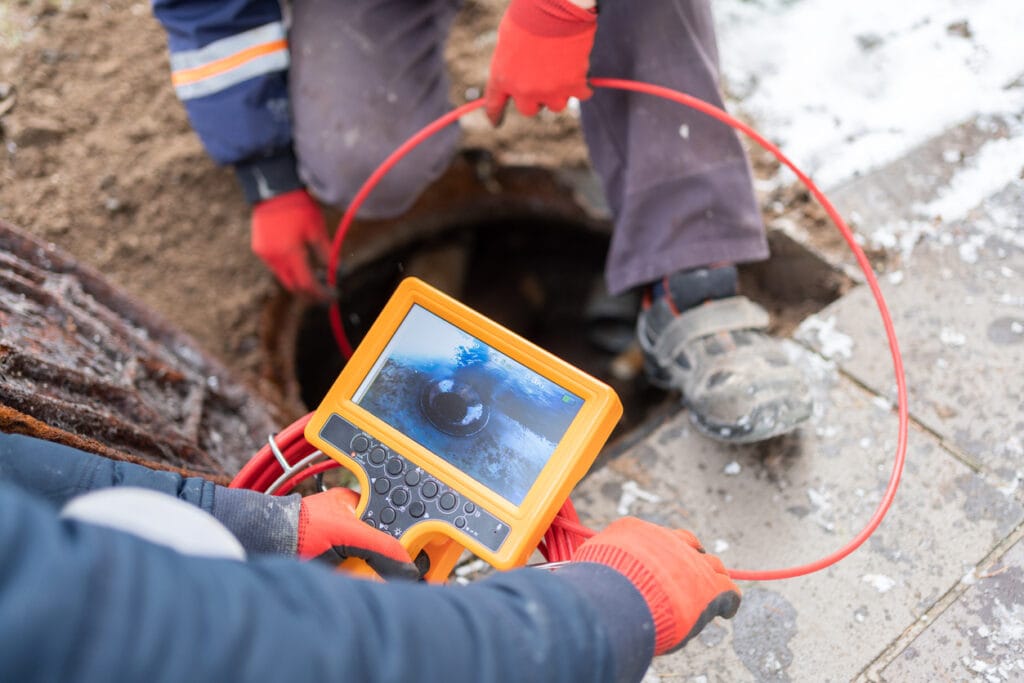
Have the drain line inspected by a plumber in Melton with a camera. The inspection will confirm whether the issue is a blockage in the line itself or a problem with the vent stack, and the correct fix can then be applied.
Conclusion
The earlier you act on any of these warning signs, the more options you have and the less it will cost. A slow drain caught at stage one can usually be cleared in a single visit. A full sewer line blockage with multiple fixtures backing up is a much larger and more urgent job.
New Image Plumbing and Gas clears blocked drains across Melton and Melbourne’s western suburbs using CCTV camera inspection to find the root cause, and high-pressure water jetting to clear blockages properly. We don’t just shift the blockage to the next bend. We find out why it keeps happening and fix it at the source. Call us at 0489 246 667 before a slow drain becomes a full blockage.
Frequently Asked Questions
At what point does a slow drain become a genuine emergency?
A slow drain becomes an emergency when wastewater starts backing up into the property, when multiple fixtures are affected simultaneously, or when sewage is visible. Any of these situations requires an immediate call to a plumber. Don’t wait to see if it resolves on its own. Sewage overflow inside a home is a health hazard and requires professional remediation.
Can I put a camera down my own drain to check for blockages?
Consumer-grade drain inspection cameras are available, but they don’t provide the same image quality or reach as professional CCTV equipment. They also can’t generate a compliance report or provide documented evidence you may need for insurance or warranty purposes. For anything beyond basic curiosity, a professional inspection with proper equipment is the more reliable option.
Do drain guards actually make a difference?
Yes, significantly. A hair catcher or drain guard fitted over a shower or bathroom drain is one of the most effective and lowest-cost preventative measures available. It stops the single biggest cause of bathroom drain blockages before the debris enters the pipe. Clean it after every shower for best results.
Why does my outside drain block but not my indoor ones?
External drains collect stormwater and are prone to leaf litter, sediment, and debris accumulation, particularly after heavy rain or in autumn. They don’t carry the same consistent water volume as waste drains, so debris builds up more easily. Regular cleaning and fitting mesh guards over external drain openings will reduce blockage frequency considerably.
Is drain gurgling always a sign of a partial blockage?
Not always. Gurgling can also be caused by a blocked vent pipe, which prevents air from properly entering the drainage system. However, both causes require investigation by a plumber. Ignoring gurgling is not advisable regardless of the cause, as both will worsen over time if left unaddressed.
How long does a professional drain clear take?
A straightforward drain clear using high-pressure water jetting typically takes between 30 minutes and 90 minutes depending on the length and condition of the pipe. If a CCTV inspection is included to identify the cause, allow around two hours. Jobs involving pipe relining or excavation take longer and are quoted on a case-by-case basis after the camera inspection confirms the scope of work.