You may have noticed your taps running at full blast, your showerhead spluttering, or your pipes making a hammering noise when you turn the water on or off. These are classic signs that your home’s water pressure might be too high. One of the most effective solutions to this problem is a water pressure reducing valve, commonly called a PRV or pressure limiting valve (PLV).
Understanding how a PRV works, why it matters, and when you need one can save you from calling plumber Bacchus Marsh for repairs down the line. High water pressure is one of the most overlooked causes of plumbing damage in Australian homes, and Bacchus Marsh properties are no exception. This guide walks you through everything you need to know.
What Is a Water Pressure Reducing Valve?
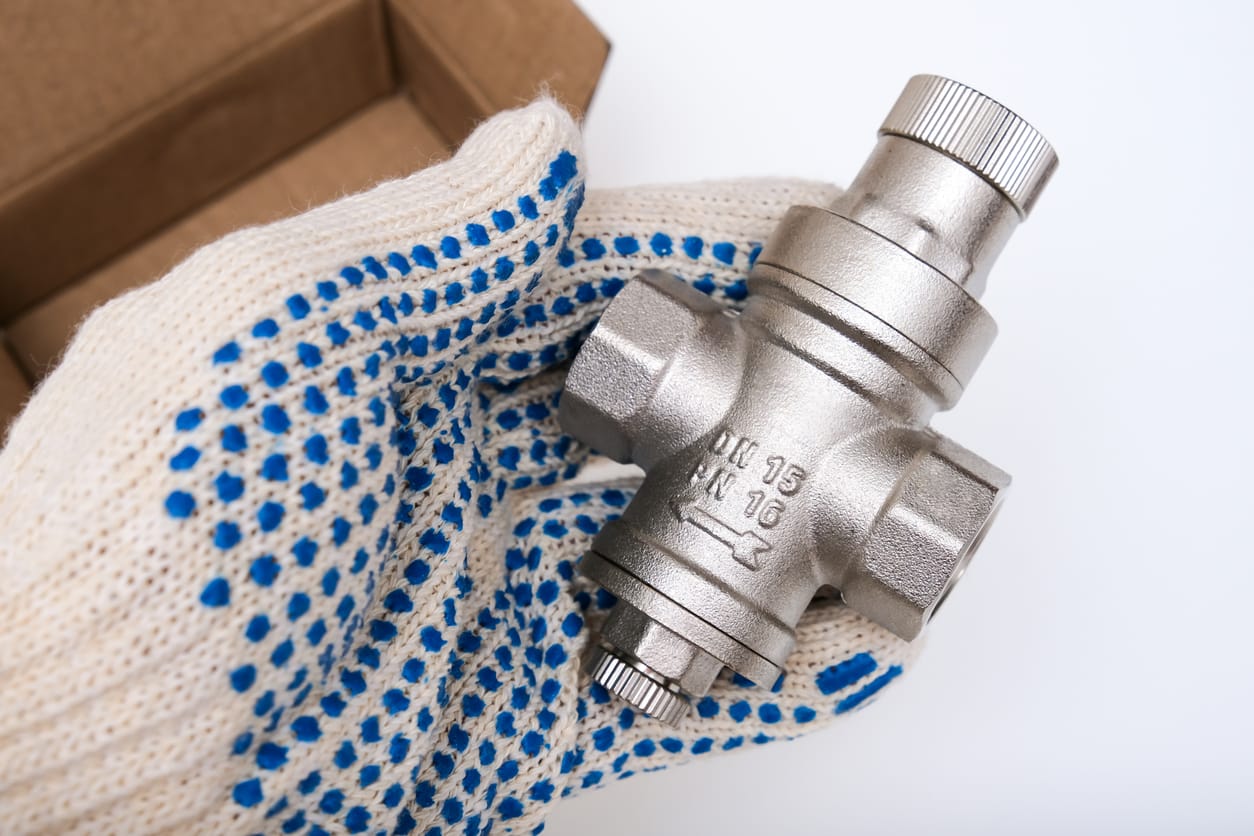
A water pressure reducing valve is a mechanical device installed on your main water supply line that automatically reduces the pressure of incoming water to a safe, manageable level before it flows into your home’s plumbing system. It acts as a regulator between the mains supply (which can run at very high pressures) and your household pipes, taps, and appliances.
In Australia, the acceptable water pressure range for residential properties is generally between 200 kPa and 500 kPa. Mains supply pressure can sometimes exceed 800 kPa or more, particularly in areas like Bacchus Marsh where the terrain and local infrastructure can affect supply pressure. A PRV brings that down to a safe operating range automatically.
How Does a Water Pressure Reducing Valve Actually Work?
The inner workings of a PRV are more straightforward than you might expect. Here is a step-by-step breakdown of the process:
The Main Components
- Inlet port: Water enters the valve from the mains supply at high pressure.
- Diaphragm or piston: A flexible internal membrane that responds to water pressure changes. This is the heart of the valve’s operation.
- Adjustment spring: A calibrated spring that holds the diaphragm in a set position, determining the downstream pressure level.
- Seat and disc: A precision-fitted disc that partially closes against a seat to restrict water flow when pressure rises too high.
- Outlet port: Water exits at the reduced, regulated pressure and flows into your home’s plumbing.
The Pressure Regulation Cycle
- High-pressure water enters the inlet and pushes against the diaphragm.
- The diaphragm flexes upward against the tension of the adjustment spring.
- As it flexes, it pushes the disc toward the seat, restricting the flow opening and reducing the downstream pressure.
- When downstream pressure drops (for example, when you turn on a tap), the spring pushes the diaphragm back down, opening the disc slightly to allow more flow.
- This self-regulating loop operates continuously and automatically, maintaining a consistent pressure level regardless of fluctuations in mains supply pressure.
Adjustable vs. Fixed PRVs
- Adjustable PRVs: Allow a licensed plumber to set the downstream pressure to a specific level using an adjustment screw. These are the most common type used in residential settings.
- Fixed PRVs: Come pre-set to a specific pressure and cannot be adjusted in the field. These are often used in commercial applications or where a precise, unchanging pressure is required.
Why Is Water Pressure Regulation Important?
Many Bacchus Marsh homeowners underestimate the damage that unregulated high water pressure can cause. It is not just about water splashing out of the sink. Sustained high pressure puts stress on every component in your plumbing system, every single day.
Damage to Pipes and Fittings
- High pressure causes microscopic stress fractures in copper, PVC, and PEX pipes over time.
- Joints, elbows, and fittings are particularly vulnerable because they are the weakest points in the pipework.
- Eventually, these fractures lead to pinhole leaks, burst pipes, or complete joint failures, all of which can cause significant water damage inside walls and under floors.
Appliance and Fixture Wear
- Washing machines, dishwashers, and hot water systems all have internal components (solenoids, valves, seals) rated to operate within a specific pressure range.
- Sustained high pressure accelerates wear on these components, shortening the lifespan of expensive appliances.
- Tap washers and ceramic disc cartridges wear out far faster under high pressure, leading to dripping taps that require frequent replacement.
Water Waste and Higher Bills
- Higher pressure means more water flows through your taps and showerheads per minute, even when you do not need it.
- A properly set PRV can reduce household water consumption noticeably without any change in how your fixtures feel to use.
- In drought-prone areas around Bacchus Marsh and the Moorabool region, reducing unnecessary water waste is both environmentally responsible and cost-effective.
Noise in the Plumbing
- Water hammer, the loud banging noise when a tap or appliance valve closes suddenly, is far more severe at high pressure.
- A properly functioning PRV significantly reduces water hammer events and the pipe vibration that accompanies them.
What Pressure Should a PRV Be Set To?
In Australia, the standard recommendation under AS/NZS 3500 (the national plumbing standard) is that residential water pressure should not exceed 500 kPa at any point in the system. Most licensed plumbers set PRVs to between 350 kPa and 450 kPa for everyday residential use, which provides adequate flow for showers, appliances, and garden taps without stressing the system.
Factors That Influence the Correct Setting
- Number of storeys: Pressure drops as water rises through a building, so multi-storey homes may need a slightly higher setting.
- Appliance requirements: Some hot water systems and dishwashers require a minimum inlet pressure to function correctly. Your plumber will account for these specifications.
- Distance from the meter: Longer pipe runs result in pressure loss through friction, which needs to be factored in.
- Local supply pressure: Bacchus Marsh mains pressure can vary seasonally and based on your specific street and elevation. Your plumber should measure the actual incoming pressure before setting the valve.
Signs That Your PRV May Need Attention
PRVs are robust devices, but they do not last forever. In most residential installations, a PRV will serve reliably for 10 to 15 years, after which internal components can wear, corrode, or fail. If your PRV is ageing or malfunctioning, you may notice these warning signs:
Symptoms of a Failing PRV
- Noticeably increased water pressure throughout the home, especially at taps and showerheads.
- Frequent tap drips or washer failures that keep recurring even after repairs.
- Water hammer becoming worse or appearing for the first time.
- Appliances making unusual noises or running water noisier than usual through pipes.
- A pressure test reveals readings consistently above 500 kPa at the outlet.
- Visible corrosion, mineral build-up, or moisture around the body of the valve.
What to Do
- Do not attempt to adjust or disassemble a PRV yourself. Incorrect adjustment can leave your plumbing system either over-pressurised or under-pressurised, neither of which is safe.
- Call a licensed plumber to test the system pressure and inspect the valve. In many cases, a failing PRV simply needs to be replaced rather than repaired.
How Is a PRV Installed?
PRV installation is a licensed plumbing job in Victoria. It is not a DIY task. Here is what the installation process typically involves for a Bacchus Marsh property:
The Installation Process
- The main water supply is shut off at the meter.
- The plumber measures the incoming mains pressure to confirm a PRV is required and to determine the correct valve specification.
- The PRV is installed on the cold water main line, typically close to the water meter or at the point of entry into the home, after the meter and isolation valve.
- Isolation valves are fitted on either side of the PRV to allow future servicing without shutting off the entire supply.
- The plumber sets the valve to the required downstream pressure and tests the system throughout the property.
- The installation is checked for compliance with AS/NZS 3500 before handover.
PRVs and Hot Water Systems
One important consideration specific to hot water systems is the relationship between a PRV and a pressure and temperature relief (PTR) valve. When a hot water system heats water, the water expands. If the system is on the outlet side of a PRV (which is most commonly the case), the thermal expansion has nowhere to go and pressure inside the tank rises. To manage this, plumbers install an expansion control valve or ensure the PTR valve is correctly rated to handle the expansion safely.
If you have recently had a PRV installed and notice your PTR valve dripping, this is often the cause. It is important to have a plumber assess the system rather than simply replacing the PTR valve, as the dripping may be doing exactly what it is supposed to do under the new conditions.
Frequently Asked Questions
How do I know if my home has a PRV installed?
A PRV is usually located near your water meter on the cold water main. It is a small dome-shaped or cylindrical brass device, often with an adjustment cap on top. If you are unsure, a licensed plumber can check during a routine inspection.
Can I adjust the PRV myself?
No. In Victoria, adjusting or installing a PRV is licensed plumbing work. Incorrect adjustment can cause under-pressure (poor flow throughout the home) or leave the system over-pressurised (risking pipe and appliance damage). Always call a licensed plumber.
How long does a PRV last?
Most quality PRVs last between 10 and 15 years with normal use. In areas with hard water or highly mineralised supply (which applies to parts of the Bacchus Marsh region), the internal components may wear faster. Regular inspections every few years are worthwhile.
Will a PRV reduce my water flow?
A correctly set PRV reduces pressure, not flow rate. In most cases, flow at your taps and showerheads will feel the same or only marginally different. If flow drops noticeably, the PRV may be set too low or have a partial blockage, both of which a plumber should assess.
What is the difference between a PRV and a tempering valve?
A PRV manages water pressure on the cold water supply line. A tempering valve is a completely separate device installed on the hot water outlet of a hot water system to blend cold water in and prevent scalding at taps and showerheads. Both may be present in the same property and serve different functions.
Conclusion
High water pressure is a silent problem. It works away at your pipes, taps, and appliances every day without obvious warning signs until something fails. If you have not had your home’s water pressure checked recently, or if you suspect your PRV is not doing its job, it is well worth having a professional assessment done sooner rather than later.
At New Image Plumbing and Gas, our licensed Bacchus Marsh plumbers can test your system pressure, inspect or replace your PRV, and make sure your plumbing is operating safely within the correct range. We provide honest, upfront quotes with no hidden costs and back every job with a workmanship guarantee.
Call us on 0489 246 667 or book via our online form for a free quote. Same-day service is available for urgent pressure issues.