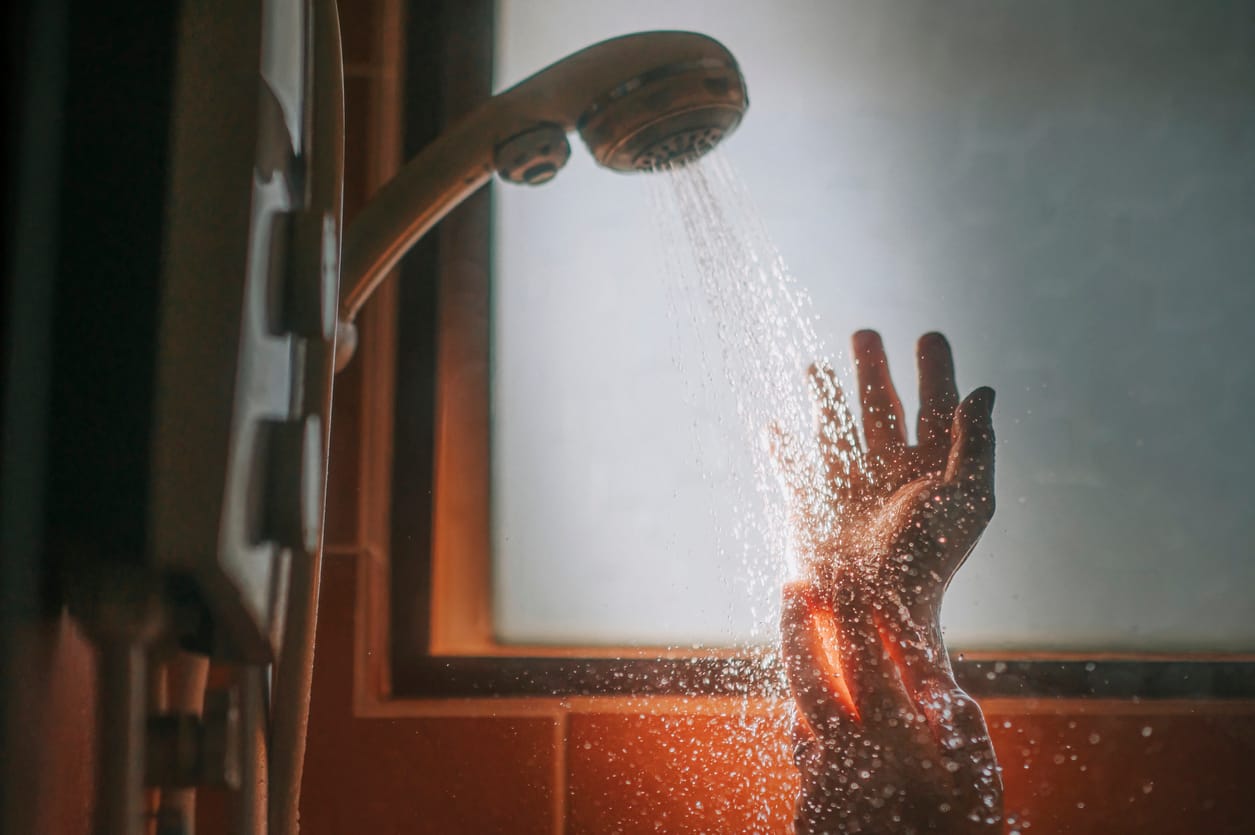
You are halfway through a hot shower in your home and someone flushes the toilet down the hall. Suddenly the water temperature drops sharply, leaving you scrambling to adjust the mixer. It is one of the most common and frustrating plumbing complaints homeowners raise, and the good news is that it is almost always fixable. Understanding why it happens in the first place puts you in a much better position to address it properly.
This problem is not random or unavoidable. It has specific, identifiable causes rooted in how your home’s cold and hot water supply lines are set up. In most cases, a licensed plumber Bacchus Marsh can make targeted improvements that eliminate the issue entirely or reduce it to a barely noticeable variation.
Why Does This Happen? The Main Cause
Your shower and your toilet cistern share the same cold water supply line. When someone flushes the toilet, the cistern empties and immediately begins refilling. The refilling process draws a significant volume of cold water through the shared supply pipe in a short burst. This sudden demand for cold water reduces the pressure on the cold water side of your shower mixer, while the hot water side remains at its previous pressure. The result is a temporary imbalance: more hot than cold reaches the mixer, and the temperature spikes or, if the cold side pressure drops substantially, the water can briefly feel scalding or conversely colder depending on your mixer type and system setup.
In practice, the experience varies based on your water pressure, your mixer valve, and how old or undersized your pipes are.
Factors That Make the Problem Worse
Not every home experiences this problem equally. Several factors determine how severely the temperature shift affects your shower:
Undersized or Old Cold Water Pipes
- Older Bacchus Marsh homes, particularly those built before the 1990s, often have 15mm cold water supply pipes throughout the house rather than the 20mm pipes common in modern builds.
- A 15mm pipe has significantly less capacity to supply water simultaneously to multiple fixtures without a pressure drop.
- When the toilet cistern demands a sudden refill through an undersized pipe, the pressure drop at the showerhead is dramatic compared to a modern, correctly sized installation.
High Mains Pressure Without a PRV
- Counterintuitively, very high mains pressure can sometimes worsen this problem if the pressure is unregulated.
- Without a pressure reducing valve (PRV) to stabilise the system, pressure fluctuations from the mains supply compound with fluctuations from internal demand, making the imbalance worse.
Low Mains Pressure
- Conversely, if mains pressure in your street is already on the low side, any additional demand on the cold supply line will cause a more noticeable drop at fixtures competing for the same flow.
- This is particularly relevant in parts of Bacchus Marsh and surrounds that sit at higher elevations relative to the water main.
Single-Handle Mixer Valves Without Pressure-Balancing
- Older single-handle mixer taps and shower valves simply mix whatever hot and cold water pressure is available at any given moment.
- Modern pressure-balancing mixer valves are specifically engineered to sense and correct for pressure differences between the hot and cold supply, compensating automatically when one side changes.
- If your shower still has an older mixer valve that is not pressure-balancing, the temperature shift will be more severe than in a home with a modern thermostatic or pressure-balancing valve.
Toilet Cisterns With Rapid Refill Valves
- Some toilet cistern fill valves refill the cistern very quickly, causing a sharp, brief spike in cold water demand.
- Older ballcock-style fill valves tend to refill more slowly than modern diaphragm-type fill valves, which affects the intensity of the pressure drop at the shower.
Is This a Safety Issue?
In most households, the temperature shift is uncomfortable rather than dangerous. However, there are scenarios where it becomes a genuine safety concern:
Risk of Scalding
- In homes where the hot water system is set to a high temperature (above 60°C at the tank), a sudden drop in cold water pressure can briefly push water temperatures at the showerhead to dangerous levels.
- This risk is higher in homes where children, elderly people, or those with reduced skin sensation use the shower.
- Australian standards require that hot water delivered to bathroom fixtures in new installations should not exceed 50°C, achieved by a tempering valve. If your system does not have a tempering valve, this is a priority to address.
Risk of Cold Shock
- In some system configurations, particularly with certain electric hot water systems on low-flow settings, the pressure drop can cause the shower to run cold rather than hot.
- A sudden cold shock can be a fall risk in older adults and is a significant comfort concern for young children.
Solutions: How to Fix It Properly
There is no single universal fix because the right solution depends on what is causing the problem in your specific home. A licensed plumber should assess the system before any work is done. That said, here are the most common and effective interventions:
Install a Pressure-Balancing or Thermostatic Shower Valve
- A pressure-balancing shower valve uses an internal spool that automatically adjusts the ratio of hot to cold water when a pressure drop occurs on either side. When the toilet flushes and cold pressure drops, the valve simultaneously restricts the hot side to match, maintaining a consistent temperature.
- A thermostatic shower valve goes further: it actively senses the outgoing water temperature and adjusts the mix in real time to maintain the temperature you have set, regardless of pressure fluctuations. These are the gold standard for shower comfort and safety.
- Retrofitting a pressure-balancing or thermostatic valve into an existing shower is a common plumbing job and is typically the most effective single intervention for this problem.
Upgrade the Cold Water Supply Pipes
- If your home has undersized cold water piping throughout, upgrading the supply lines to 20mm (or in larger homes, 25mm) substantially reduces the pressure drop experienced when multiple fixtures run simultaneously.
- This is a more significant investment but is often recommended in older homes where undersized pipes are contributing to multiple plumbing issues, not just the shower temperature problem.
Install a Dedicated Cold Supply Line to the Shower
- Rather than re-piping the entire house, a plumber may be able to run a dedicated cold water line directly from the main to the shower, bypassing the shared branch that serves the toilet.
- This eliminates competition for cold water between the two fixtures and is often a more cost-effective solution than full re-piping.
Fit a Flow Restrictor to the Toilet Fill Valve
- Fitting a simple flow restrictor to the toilet cistern fill valve slows the rate at which the cistern refills, reducing the intensity of the cold water demand and lessening the pressure drop at the shower.
- This is a low-cost measure that can noticeably reduce (though not always eliminate) the temperature fluctuation. It is often used in combination with other solutions.
Check and Set Your Water Pressure
- If your home does not have a PRV, or if the existing PRV is set too low or malfunctioning, having the system pressure tested and regulated correctly can reduce the severity of pressure fluctuations throughout the home.
- Stable, correctly regulated pressure reduces the magnitude of drops when a fixture suddenly demands more flow.
Install a Tempering Valve on the Hot Water System
- If safety is a concern due to high hot water temperatures, a tempering valve blends cold water into the hot supply before it reaches bathroom fixtures, capping the maximum temperature at 50°C.
- This does not fix the temperature fluctuation itself but limits the worst-case scenario if the cold pressure drops suddenly.
What to Expect During a Plumber’s Assessment
When you call our plumbers in Bacchus Marsh to look at this problem, we will carry out a thorough assessment before recommending any work. This typically includes:
The Assessment Process
- Measuring system pressure at multiple points to establish a baseline and identify any existing pressure regulation issues.
- Inspecting the existing shower valve type to determine whether it is pressure-balancing, thermostatic, or a simple mixer.
- Checking pipe sizes throughout the relevant supply lines.
- Running a flush test to quantify the actual pressure drop at the showerhead when the toilet is flushed.
- Checking the hot water system temperature and whether a tempering valve is installed.
From this assessment, we will give you a clear recommendation with straightforward pricing before any work begins.
Frequently Asked Questions
Why does my shower go scalding hot rather than cold when the toilet flushes?
This is caused by the same pressure imbalance but in a different direction. When cold pressure drops suddenly, the mixer receives proportionally more hot water, raising the temperature. A pressure-balancing or thermostatic shower valve is the most effective solution.
Will a thermostatic shower valve completely fix the problem?
In most cases, yes. A quality thermostatic shower valve will maintain a consistent temperature even when another fixture in the home places a demand on the cold supply. There may be a brief lag of one to two seconds during adjustment, but the severe swings associated with a simple mixer valve are eliminated.
How much does it cost to fix this?
The cost depends on what solution is required. Fitting a pressure-balancing or thermostatic shower valve is generally the most cost-effective single fix. Adding a flow restrictor to the toilet fill valve is a minor job. Full pipe upgrades are more involved. Contact us for a free, no-obligation quote specific to your home.
Can this damage my hot water system?
Repeated pressure fluctuations can contribute to wear on internal components over time, particularly on older systems. Addressing the root cause is worthwhile for the longevity of the whole plumbing system, not just for your shower comfort.
Conclusion
A shower that goes cold every time someone flushes is not just annoying. It can be an indicator of underlying pressure or pipework issues that are putting unnecessary strain on your entire plumbing system. The right fix depends on what is actually driving the problem in your specific home, and there is no substitute for a proper assessment by a licensed plumber who knows what to look for.
New Image Plumbing and Gas services Bacchus Marsh and the surrounding areas. We will assess the issue, give you a clear explanation of what is causing it, and provide an upfront quote before we touch anything. No guesswork. No unnecessary work. Just practical, permanent solutions.
Call us on 0489 246 667 or book via our online form a free quote. We offer same-day appointments for urgent plumbing concerns.