Not every plumbing leak announces itself with water pouring down a wall or pooling on the floor. In fact, some of the most damaging leaks in Australian homes are the ones you cannot see at all. Hidden pipe leaks — those occurring inside walls, under slabs, beneath flooring, or underground — can run for months without any obvious outward sign, silently causing structural damage, mould growth, and inflated water bills the entire time. For homeowners, early detection matters. The longer a hidden leak goes unaddressed, the more expensive the repair becomes — not just for the pipe itself, but for the water damage it leaves behind. Knowing what to look for before calling a plumber Melton is the best protection you have against a costly, avoidable problem.
Why Hidden Pipe Leaks Are So Difficult to Detect
Most plumbing systems run through spaces that are concealed by design. Supply pipes are embedded in walls, hidden above ceiling linings, or buried beneath concrete slabs. Drain lines travel under floors and through external ground. Even when a pipe fails, the water may take a long time to find its way to a visible surface — if it ever does.
By the time water damage becomes visible, the leak has usually been running for days, weeks, or even longer. This is why being attuned to the indirect warning signs — the changes in your home that point to a leak before water actually appears — is so important.
Key Warning Signs of a Hidden Pipe Leak
An Unexplained Spike in Your Water Bill
One of the earliest and most reliable indicators of a hidden leak is a sudden or unexplained increase in your water usage — even when your household habits have not changed.
- Compare your current water bill with the same period in previous years. A significant increase in kilolitres used without any obvious reason is a strong warning sign.
- Even a relatively small continuous leak — such as a pinhole in a pressurised supply pipe — can waste thousands of litres per month and push your bill up noticeably.
- Gradual increases over several consecutive bills can indicate a slow leak that is getting progressively worse as the pipe continues to deteriorate.
- Your water authority may also flag unusual usage patterns on your account — some providers send alerts when consumption spikes significantly in a short period.
The Water Meter Moves With Everything Turned Off
Your water meter is one of the simplest and most accurate diagnostic tools available to a homeowner. It can confirm whether water is actively escaping from your plumbing system, even when you cannot find the source.
- Turn off every tap, appliance, and water-using device in your home — including dishwashers, washing machines, and irrigation systems.
- Check your water meter and note the current reading or take a photograph.
- Wait 30 minutes without using any water, then check the meter again.
- If the reading has changed — even slightly — water is escaping somewhere in your system between the meter and your fixtures. This is a confirmed active leak.
- Many modern water meters have a small flow indicator dial (sometimes called a leak detector dial) that will visibly turn even with very small flows. If this is moving with everything off, that is definitive confirmation of a leak.
Damp Patches, Staining, or Discolouration on Walls and Ceilings
Water will always find a path. When a pipe leaks inside a wall cavity or above a ceiling, the moisture eventually migrates through the building material and shows up as a visible mark on the surface.
- Look for patches of discolouration — typically yellowing, browning, or grey staining — on walls and ceilings, particularly near bathrooms, laundries, kitchens, and upstairs wet areas.
- Damp or cool patches that appear to the touch without a visible moisture source are a strong indicator of water migrating through the material from behind.
- Bubbling or peeling paint, or plaster that has begun to soften, crumble, or bow outward, indicates sustained moisture saturation in the wall substrate behind the surface.
- Ceiling stains directly below an upstairs bathroom or wet area are highly likely to indicate a leaking pipe or fixture connection rather than a roof issue.
- A stain that spreads or changes shape over time confirms the leak is ongoing rather than a remnant of a past event that has since dried.
Mould or Mildew Growth in Unexpected Places
Mould requires three things to grow: moisture, warmth, and a food source such as timber, plasterboard, or dust. A hidden leak provides a continuous source of moisture in areas that were never designed to be wet, creating ideal conditions for mould to establish and spread.
- Mould appearing on walls that are not near windows, not in bathrooms, and not obviously exposed to humidity is a concerning sign that moisture is present within the wall structure itself.
- A musty smell — the smell of mould spores — in a room or cupboard without any visible source of dampness often indicates mould growing behind wall linings or under flooring where you cannot see it.
- Black spot mould or greenish patches in the corner of a room, inside a built-in wardrobe, or along skirting boards in areas remote from bathrooms are worth investigating further.
- Mould growth from a hidden leak will typically reappear quickly after cleaning because the underlying moisture source has not been removed.
Warm or Hot Patches on the Floor
Homes with hot water pipes running under a concrete slab can develop slab leaks — leaks in the hot water service line embedded in or beneath the concrete. These are particularly difficult to detect because there is no visible surface penetration, but they create a characteristic symptom.
- Walk barefoot across your floors, particularly in areas close to the bathroom, laundry, or kitchen. Localised warm or hot spots on a concrete or tiled floor — especially when the heating is not on — can indicate a hot water pipe leaking directly beneath or within the slab.
- Areas of flooring that feel damp, slightly spongy, or warmer than surrounding areas in a carpeted room may indicate water rising through the slab or subfloor from below.
- Slab leaks often cause the hot water system to run continuously or cycle more frequently, as it constantly tries to replace the water being lost through the leak.
- They can also cause cracks to appear in floor tiles or grout lines, as the escaping water expands and contracts the substrate beneath.
Sound of Running Water With No Fixtures in Use
A pressurised pipe leak — particularly in a supply line — often produces a faint sound that can be heard if you listen carefully in a quiet room or against a wall.
- Listen for the sound of trickling or rushing water inside walls, under floors, or behind cupboards when no tap, appliance, or fixture is running anywhere in the home.
- A hissing sound from inside a wall cavity often indicates a small but pressurised leak in a supply pipe.
- The sound may be intermittent or only audible at certain times of day — particularly in quieter overnight hours when street and household noise is reduced.
- Running water sounds that disappear when you turn off the main water supply confirm the leak is in a pressurised supply pipe rather than a drain line.
Reduced Water Pressure at Multiple Fixtures
When water is escaping from a supply pipe before it reaches your fixtures, less of it is available at the taps and showers. A drop in pressure — particularly when it is whole-house rather than isolated to one fixture — can point to an active leak in the main supply line.
- A sudden, unexplained drop in pressure at multiple outlets simultaneously is a strong indicator of a supply pipe leak rather than a localised fitting issue.
- If the pressure loss is gradual over weeks or months, a slowly worsening leak or progressive pipe corrosion is the likely cause.
- Pressure that drops noticeably when a specific appliance runs (such as the washing machine) and does not recover properly may indicate a leak near that appliance’s supply connection.
Wet or Unusually Lush Patches in the Garden
Underground pipe leaks — whether from the main water supply line between the meter and the house, or from a buried drain or sewer line — can cause visible changes at the surface of the garden or driveway.
- A section of lawn or garden that is noticeably greener, lusher, or more vigorous than surrounding areas — without any difference in watering — can indicate a leaking supply or drain pipe beneath it providing a constant moisture source.
- Damp, boggy, or soft soil in a defined area that stays wet even in dry weather is a reliable sign of an underground leak.
- Cracks appearing in a concrete driveway, garden path, or paved area — particularly above buried pipe runs — can indicate that escaping water is undermining and eroding the soil underneath the slab.
- A sulphurous or sewage smell from a garden area without any visible overflow may indicate a cracked or tree-root-damaged sewer pipe leaking into the surrounding soil.
Warping, Buckling, or Staining on Floors
Flooring materials are often the first visible casualty of a hidden pipe leak. Water migrating through subfloor materials eventually affects whatever surface layer sits above it.
- Timber floorboards that have started to lift, cup, bow, or creak in areas where they were previously flat and stable may have been absorbing moisture from a leak beneath them.
- Laminate flooring that has begun to bubble, swell, or separate at the joins is highly susceptible to moisture damage and often signals water penetration from below or within the wall cavity alongside it.
- Tile grout that has cracked, become discoloured, or begun to loosen in a specific area can indicate movement or moisture in the substrate beneath the tile.
- Soft or springy areas in carpeted floors — where the underlay feels damp or compressed underfoot — indicate water has reached the subfloor material.
How Hidden Leaks Are Detected by Plumbers
When the warning signs point to a hidden leak but the source cannot be found visually, a licensed plumber Bacchus Marsh and Melton uses specialist equipment to locate the leak precisely — without unnecessary damage to walls, floors, or landscaping.
Acoustic Leak Detection
- Electronic listening devices are placed on the ground or against pipes and walls to amplify the sound of escaping water. The signal is strongest directly above the leak point, allowing the plumber to pinpoint the location accurately.
- Ground microphones can detect the sound of water escaping through a pressurised pipe buried beneath a concrete slab or garden without any excavation.
- This method is highly effective for pressurised supply line leaks and slab leaks in particular.
Thermal Imaging
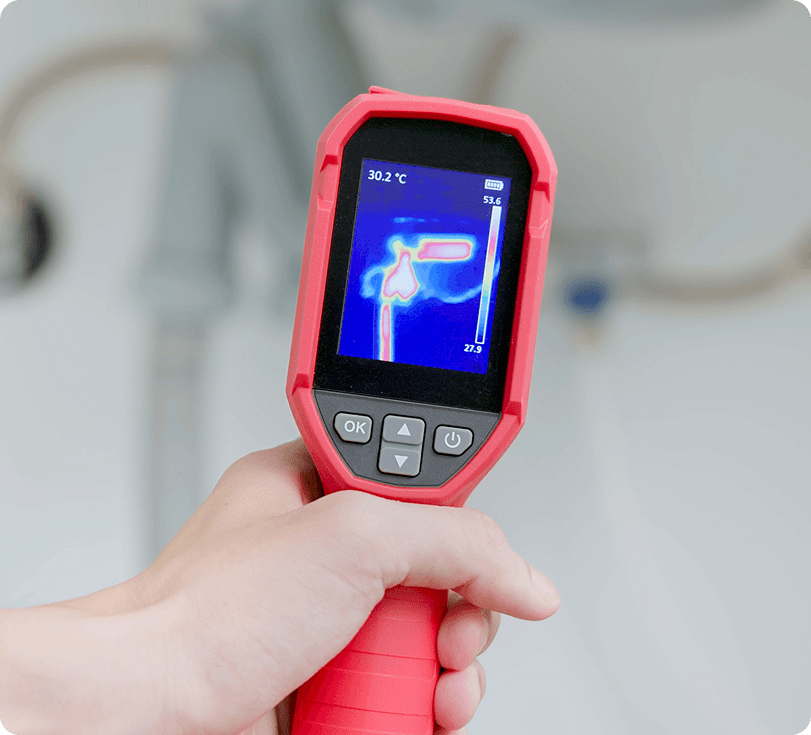
- Infrared thermal cameras detect temperature differences across surfaces. A leaking pipe — particularly one carrying hot water — creates a distinctive temperature signature that shows up as a bright or dark area on the camera display depending on the pipe temperature relative to surrounding materials.
- Thermal imaging can locate a leak through walls, floors, and ceilings without opening them, making it a non-invasive and highly accurate diagnostic tool.
- At New Image Plumbing and Gas, we use thermal imaging as part of our advanced leak detection service for both residential and commercial properties in the Melton and Bacchus Marsh area.
Pressure Testing
- A plumber can isolate sections of the pipe network and test each section under pressure. A section that fails to hold pressure indicates a breach somewhere within it, narrowing down the search significantly.
- Pressure testing is particularly useful when the meter test has confirmed a leak but the source is not yet located.
CCTV Camera Inspection
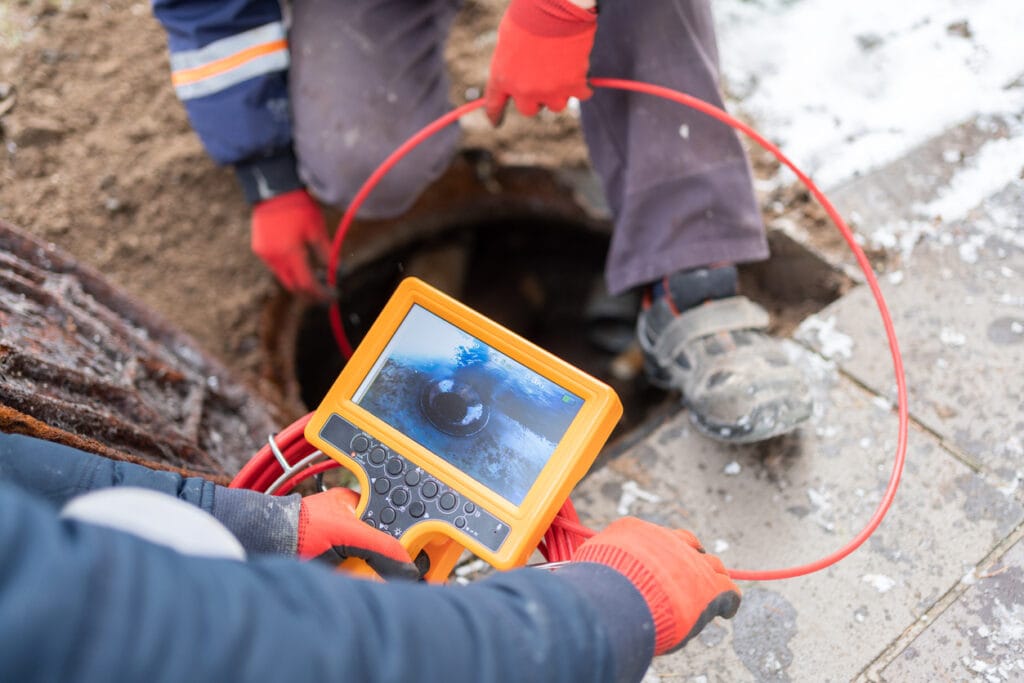
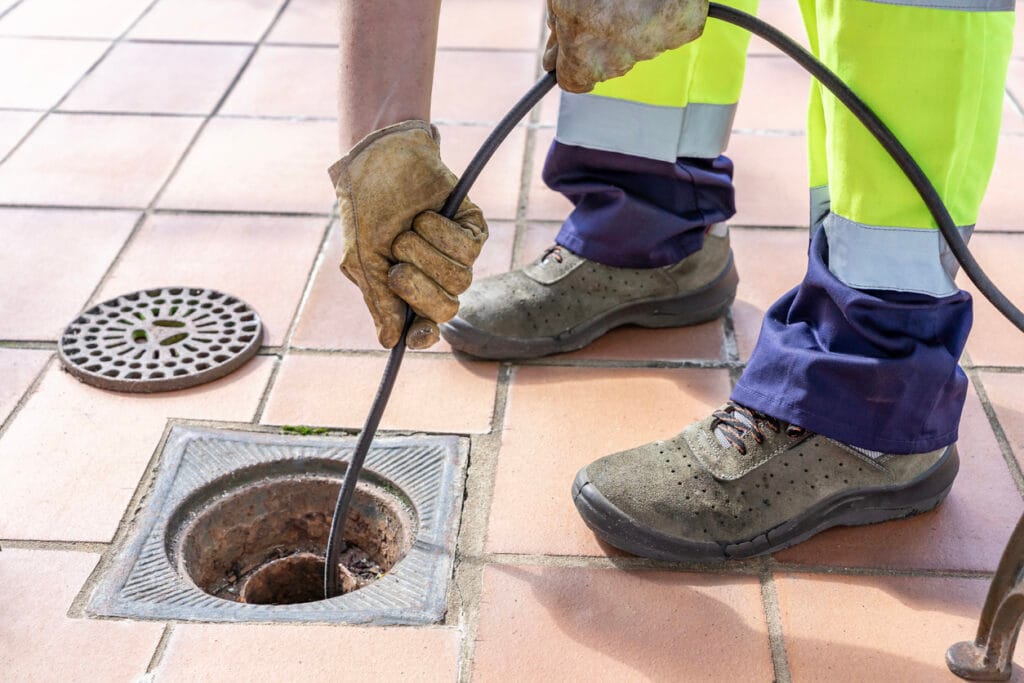
- For drain and sewer line leaks, a waterproof CCTV camera fed through the pipe allows the plumber to inspect the internal condition of the pipe and identify cracks, joint failures, root intrusions, or collapsed sections that are allowing water to escape.
- This provides a direct visual confirmation of the leak location and its cause, so repairs can be targeted precisely.
What to Do If You Suspect a Hidden Leak
If you have noticed one or more of the warning signs above, act promptly. A hidden leak does not fix itself — it almost always gets worse over time. Here is what to do while you wait for a plumber to attend.
- Perform the meter test to confirm whether an active leak is present. This is a useful piece of information for the plumber and helps them prioritise.
- Do not ignore a musty smell or a ceiling stain — document it with a photograph and note when you first noticed it and whether it has changed.
- If you suspect a slab leak or an underground leak, avoid digging or drilling — you risk damaging the pipe further or creating additional hazards.
- If you suspect the leak is causing structural damage or the water is compromising a wall or ceiling, you may need to turn off the main water supply at the meter to minimise further damage until a plumber arrives.
- Call a licensed plumber with specialist leak detection equipment rather than a general handyman. Hidden leaks require professional detection tools — a visual inspection alone will not find them.
Frequently Asked Questions About Hidden Pipe Leaks
How long can a hidden pipe leak go undetected?
A hidden leak can go undetected for weeks, months, or even years depending on where it is located and how quickly the water finds a visible path. Leaks under concrete slabs or in enclosed wall cavities tend to remain hidden the longest. This is why it is important to periodically check your water meter even if you have not noticed any obvious symptoms — catching a slow leak early can save thousands of dollars in water bills and remediation costs.
Can a hidden leak cause serious structural damage?
Yes, absolutely. Water is highly destructive to building materials when it is present continuously and in a location that cannot dry out. Hidden leaks can cause timber wall frames and subfloor joists to rot, weaken concrete and cause cracking, undermine the soil beneath slab foundations, damage plasterboard and insulation, and promote mould growth that affects indoor air quality. The longer a hidden leak runs, the more significant and expensive the resulting structural damage tends to be.
Does home insurance cover hidden pipe leaks and the resulting damage?
Coverage varies significantly between policies. Many standard building insurance policies will cover the cost of repairing damage caused by a sudden and unforeseen pipe leak — such as water damage to flooring, walls, and ceilings — but typically do not cover the cost of repairing the pipe itself, which is considered a maintenance issue. Gradual leaks (those that developed slowly over time) are often excluded on the basis that they should have been detected and reported earlier. It is important to read your specific policy carefully and notify your insurer as soon as a leak is confirmed. A detailed plumber’s report documenting the nature and likely timeline of the leak can support your claim.
How much does professional leak detection cost?
The cost of professional leak detection in Melbourne’s western suburbs varies depending on the type of leak suspected, the detection methods required, and the access challenges involved. A basic acoustic or thermal inspection is typically more affordable than a full slab leak investigation, which may require pressure testing and CCTV inspection in addition to acoustic equipment. At New Image Plumbing and Gas, we provide honest, upfront quotes before any work begins — there are no hidden charges or unnecessary extras. Call us on 0489 246 667 for a free assessment quote.
Conclusion
A hidden pipe leak is one of those problems that rewards the homeowner who catches it early and punishes those who miss it. The warning signs are there — an elevated water bill, a warm patch on the floor, a faint smell of mould in the hallway, a meter that keeps moving when everything is off. The difficulty is knowing what to look for, which is exactly why this guide exists.
At New Image Plumbing and Gas, we specialise in finding the leaks that other plumbers miss. Using thermal imaging, acoustic detection, and CCTV inspection technology, we can pinpoint hidden leaks in walls, under slabs, and underground — without tearing your home apart in the process. We serve homeowners across Melton and Bacchus Marsh with fast, professional, honest service seven days a week.
If you have noticed any of the warning signs described in this article, do not wait and hope the problem resolves itself. Call New Image Plumbing and Gas on 0489 246 667 or contact us via our online form and we will get to you fast. Same-day service is available for urgent situations across Melton, Bacchus Marsh, and the surrounding western suburbs.