A blocked drain is annoying enough the first time. But when the same drain keeps blocking every few weeks or months, it stops being a minor inconvenience and starts pointing to something more serious going on underneath. For homeowners, recurring blocked drains Melton and Bacchus Marsh are one of the most common plumbing complaints — and one of the most misunderstood.
The problem with recurring blockages is that most people treat the symptom rather than the cause. A plunger or a bottle of drain cleaner might clear the immediate clog, but if the underlying issue is not addressed, the blockage will return. Understanding why your drains keep blocking is the first step toward a permanent fix.
Why Do Cleared Drains Keep Blocking Again?
If your drains have been cleared by a plumber and they keep blocking again in the same spot, one of a few things is likely happening. Understanding which applies to your situation will determine the right course of action.
The Root Cause Was Not Identified or Addressed
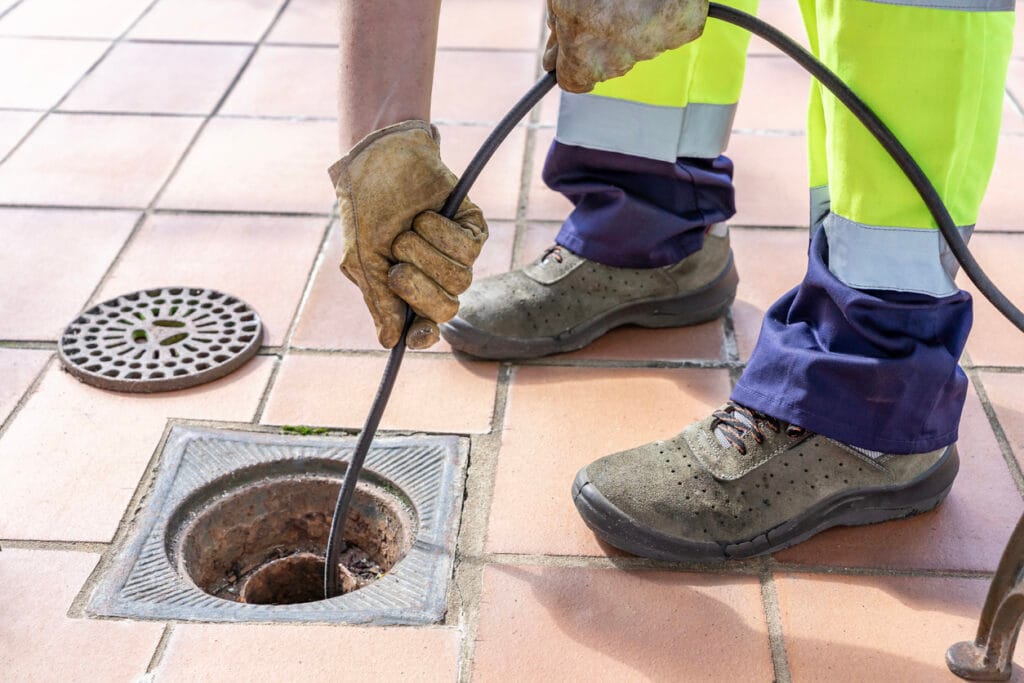
- Drain clearing with a snake or electric eel removes the immediate blockage but does not always identify what caused it or treat it permanently.
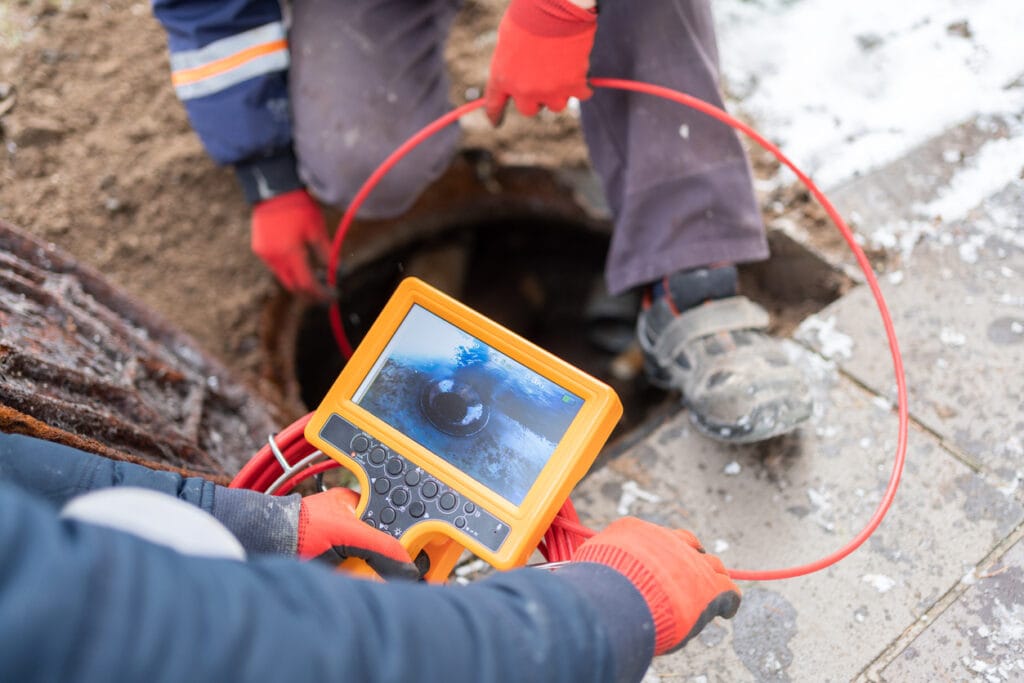
- Without a CCTV camera inspection, a plumber Melton cannot see whether there are root intrusions, pipe defects, or structural issues that will recreate the blockage.
- If the same drain blocks more than twice in a 12-month period, a camera inspection is the logical next step to understand what is actually happening inside the pipe.
Behavioural Habits Have Not Changed
- If grease, fat, food waste, or non-flushable items continue entering the drain after it has been cleared, the blockage will return regardless of how well it was cleared.
- Drain strainers and sink guards are simple, inexpensive measures that can dramatically reduce the amount of material entering the pipe.
- Educating all members of the household — including children — about what can and cannot go down the drain is part of a permanent solution.
The Pipe Has Reached the End of Its Service Life
- In properties that are 30, 40, or 50 years old, the original drain pipes may simply have deteriorated to the point where recurring blockages are inevitable without replacement or relining.
- Cracked, corroded, or heavily scaled pipes cannot be maintained into indefinite service — at some point, rehabilitation is the only realistic path forward.
- Modern pipe relining technology means the pipe can often be repaired without digging up the property, making rehabilitation significantly less disruptive and costly than it used to be.
How to Prevent Recurring Blocked Drains
Prevention is always more cost-effective than repeated clearing. The following practical measures can significantly reduce how often your drains block.
In the Kitchen
- Never pour cooking oil, fat, or grease down the sink. Allow it to cool and solidify, then dispose of it in the bin.
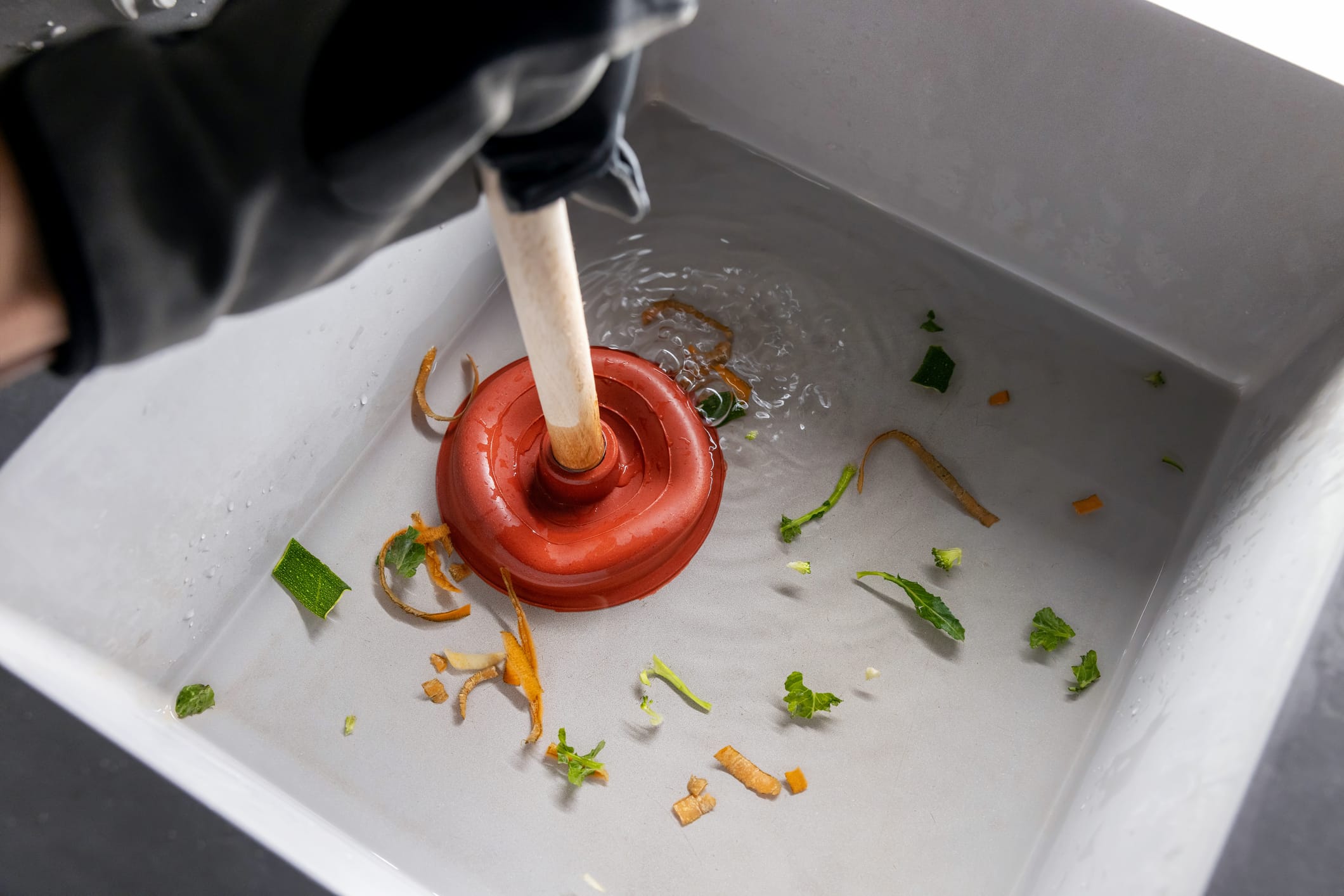
- Use a sink strainer or basket to catch food scraps before they enter the drain.
- Scrape plates and pots thoroughly into the bin before washing them.
- Pour boiling water down the kitchen drain weekly to help soften and flush minor grease accumulation.
In the Bathroom
- Install a drain hair catcher in the shower and bath, and clean it after every use.
- Use liquid soap sparingly or switch to soap bars with lower residue levels if soap scum is a consistent problem.
- Run hot water for 30 to 60 seconds after showering to help flush soap residue through the pipe.
In the Toilet
- Only flush human waste and toilet paper. Nothing else should enter the toilet drain, regardless of what the packaging says.
- Use single-ply or quickly-dissolving toilet paper if you have an older or narrower sewer line.
- If you have young children, teach them early that toys and other objects do not go in the toilet.
In the Garden and Outdoors
- Be mindful of where you plant trees and large shrubs relative to the location of your sewer and stormwater pipes.
- Keep stormwater drains clear of leaves, bark, and garden debris, particularly after storms or in autumn.
- If you know your property has older clay or terracotta pipes, consider a CCTV inspection to understand their condition before root intrusion becomes severe.
When to Call a Plumber for Blocked Drains
Some drain blockages can be managed at home with basic tools and good habits. But there are situations where a licensed plumber Bacchus Marsh is the only appropriate response.
- The same drain has blocked more than twice in a 12-month period, which strongly suggests a structural or root-related cause rather than behavioural habits alone.
- Multiple drains in the property are blocking simultaneously, which often points to a blockage in the main sewer line rather than individual branch drains.
- Gurgling sounds are coming from drains, toilets, or floor wastes — this indicates air trapped behind a partial blockage somewhere in the system.
- Sewage odours are present inside or outside the property.
- Water is backing up from one drain when another fixture is used — a classic sign of a main sewer line blockage.
- DIY clearing attempts have not worked, or the blockage returned within days of being cleared.
Frequently Asked Questions About Recurring Blocked Drains
How often should drains be professionally cleaned?
For most residential properties, a professional drain clean every one to two years is sufficient to maintain clear, free-flowing drains and catch any early signs of root intrusion or pipe deterioration. Properties with known root problems, older clay pipes, or a history of recurring blockages may benefit from more frequent servicing — sometimes every six to twelve months. A licensed plumber can advise on the right schedule for your specific property after assessing the drain condition.
Can chemical drain cleaners fix a recurring blockage?
Chemical drain cleaners can temporarily dissolve organic matter like hair and soap scum in minor blockages. However, they are largely ineffective against grease solidified deep in the pipe, root intrusions, or structural pipe defects. Repeated use of caustic drain cleaners can also damage older pipes, particularly those made from PVC or rubber-jointed clay. For recurring blockages, chemical cleaners treat the symptom and typically delay the problem rather than resolving it. A proper drain clear using high-pressure jetting, followed by a CCTV inspection if needed, is a far more reliable approach.
What is a CCTV drain inspection and when is it needed?
A CCTV drain inspection involves a waterproof camera being fed through the drain on a flexible cable. The camera transmits live footage back to a monitor, allowing the plumber to inspect the internal condition of the pipe — identifying cracks, root intrusions, misaligned joints, sagging sections, build-up, or collapsed sections that cannot be seen any other way. It is recommended when drains block repeatedly, when clearing does not resolve the problem fully, or before purchasing a property where drain condition is unknown. At New Image Plumbing and Gas, we use advanced CCTV equipment that gives a clear, detailed view of what is happening inside your pipes.
Conclusion
Recurring blocked drains are rarely just bad luck. They are almost always telling you something about the condition of your pipes, what is going into your drains, or both. The good news is that with the right diagnosis and the right approach, most recurring drain problems can be resolved permanently — not just temporarily patched.
At New Image Plumbing and Gas, we work with homeowners across Melton and Bacchus Marsh every day to get to the bottom of drain problems that other plumbers have simply cleared and moved on from. Whether it is a CCTV inspection to find a hidden root intrusion, high-pressure jetting to clear years of grease and scale build-up, or pipe relining to repair a damaged line without digging up your yard, we have the equipment and experience to fix it properly.
If your drains keep blocking and you are tired of temporary fixes, call the team at New Image Plumbing and Gas on 0489 246 667 or reach out through our online form. We offer same-day service across Melton, Bacchus Marsh, and the surrounding western suburbs — and we won’t leave until the job is done properly.