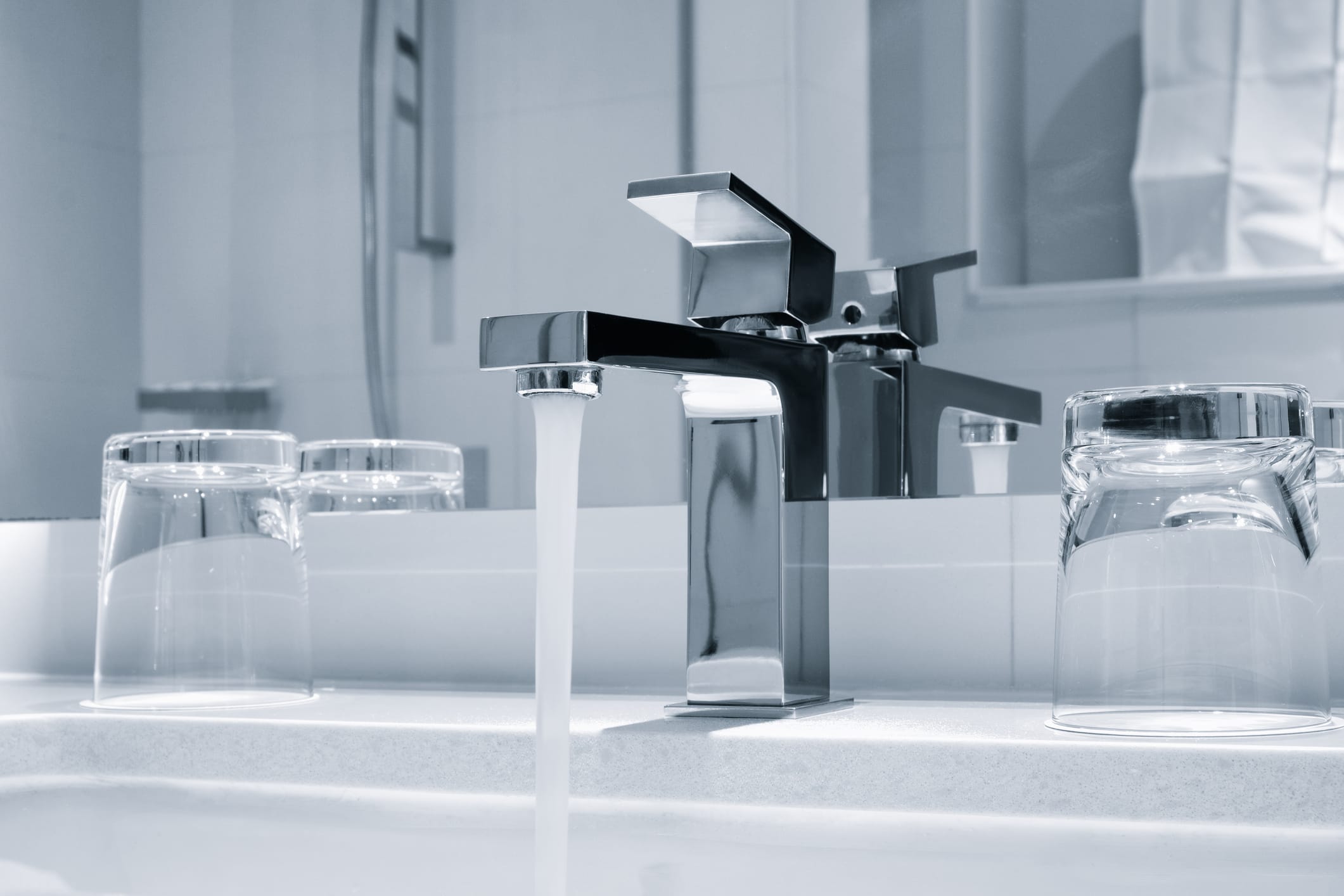
You turn on the tap and instead of a strong, steady flow, you get a trickle. Or you hop in the shower only to find the pressure has dropped to barely a drizzle. Sudden low water pressure is one of the most frustrating plumbing problems a homeowner can face, and you need plumber Bacchus Marsh to fix it. In West Melbourne, where older properties sit alongside new developments, the causes can vary widely depending on your home’s plumbing age, pipe materials, and connection to the local water main.
Understanding why your water pressure has dropped is the first step toward fixing it. Some causes are simple and easy to address yourself. Others are signs of a serious underlying issue that requires a licensed plumber to diagnose and repair safely. This guide walks you through the most common culprits, what to look out for, and when it’s time to pick up the phone.
What Is Normal Water Pressure in Australian Homes?
Before diagnosing a problem, it helps to know what “normal” looks like. In Australia, residential water pressure is typically supplied by your water authority at between 200 and 500 kilopascals (kPa), with most homes experiencing somewhere around 300 to 400 kPa at the meter. Your internal plumbing then distributes that pressure throughout the property.
Pressure below 150 kPa is considered low and can make everyday tasks like showering, washing dishes, or filling a bath genuinely difficult. If you have noticed a sudden change rather than a gradual one, that’s an important distinction — it often points to a specific event or failure rather than general ageing of the system.
What Are the Common Causes of Sudden Low Water Pressure?
A Leak Somewhere in Your Plumbing System
One of the most common reasons for a sudden pressure drop is an active leak in your pipes. When water is escaping through a crack, burst joint, or corroded section of pipe, less of it reaches your taps.
- Check for wet patches on walls, ceilings, or floors — especially around bathrooms, laundries, and the kitchen.
- Look for unexplained damp areas in the garden or around the perimeter of your home, which can indicate an underground pipe leak.
- Monitor your water meter when all taps are off. If the dial is still moving, you almost certainly have an active leak.
- Listen for the sound of running water behind walls when nothing is turned on.
- A sudden spike in your water bill alongside the pressure drop is another strong indicator of a hidden leak.
Leaks in Melton and Bacchus Marsh properties are not uncommon, particularly in homes with older copper or galvanised steel pipes that are more vulnerable to corrosion over time.
A Partially Closed or Faulty Shut-Off Valve
Your home has at least one main shut-off valve, usually located near the water meter at the front of the property. If this valve is not fully open, it will restrict flow throughout the whole house.
- Check whether any recent maintenance, renovations, or emergency works may have caused someone to partially close the valve without fully reopening it.
- Locate your main water meter and inspect the valve. It should be turned fully counter-clockwise (anti-clockwise) to sit in the open position.
- Individual fixture valves under sinks and behind toilets can also restrict local pressure if they have been knocked, bumped, or partially turned.
- Pressure limiting valves (PLVs), which are required on many properties in Australia, can fail or shift out of calibration over time and restrict flow.
Blocked or Corroded Pipes
Over many years, mineral deposits, rust, sediment, and scale can build up inside pipes and gradually reduce the internal diameter through which water can flow. This is particularly common in areas with hard water or in homes with older galvanised steel pipes.
- Low pressure that affects only hot water lines can point to a build-up of sediment in the hot water system itself.
- Galvanised steel pipes, common in homes built before the 1980s, are prone to internal rust and corrosion that progressively chokes the flow.
- Mineral scale from calcium and magnesium deposits can accumulate in tap aerators, showerheads, and appliance inlets — always try cleaning these first before assuming a deeper pipe issue.
- If the pressure is low at multiple fixtures and cleaning aerators doesn’t help, corroded supply pipes are a likely culprit.
A Problem With Your Hot Water System
If the pressure drop only affects your hot water, the problem almost certainly lives in or around your hot water system rather than the broader supply network.
- A failing tempering valve or pressure relief valve on a storage hot water system can interfere with flow.
- Heavy sediment build-up inside the tank reduces the effective volume and can affect delivery pressure.
- A partially closed isolation valve on the hot water unit itself will limit hot water pressure throughout the home.
- Older or undersized hot water systems may simply struggle to keep up with demand, particularly in larger households.
Issues With the Water Main or Local Supply
Sometimes the problem is not within your property at all. The local water authority — in this region, City West Water or the relevant provider — can experience supply issues that affect pressure in your street or suburb.
- Check with your neighbours. If multiple households on your street are experiencing low pressure at the same time, a main break or maintenance works is likely the cause.
- Water authorities will sometimes carry out scheduled works that temporarily reduce supply pressure — these are usually communicated in advance but not always.
- A burst water main in the local network can cause a sudden and significant drop in pressure that resolves once the main is repaired.
- Contact your water authority’s fault line to report or enquire about supply issues in your area.
A Failing Pressure Limiting Valve (PLV)
Most Australian homes built in recent decades are fitted with a pressure limiting valve at the meter. These are designed to protect your internal plumbing from high-pressure surges. When they fail, the effect can go either way — they may allow pressure to spike, or more commonly, they may fail in a restricted position and cause a significant pressure drop.
- A PLV failure can cause sudden, whole-house low pressure that is not related to leaks or blockages.
- PLVs typically have a lifespan of around 10 to 15 years and need to be replaced rather than repaired.
- Replacing a PLV is a licensed plumbing task — it is not a DIY job and must be done by a qualified tradesperson.
Peak Usage Times and Demand Spikes
In some cases, low pressure is not a fault at all — it is simply a reflection of high demand on the local network during peak periods.
- Early mornings and evenings, when many households are showering and cooking simultaneously, can cause temporary reductions in street supply pressure.
- New residential developments in Melton and Bacchus Marsh mean the local network is serving more properties than it did a decade ago, which can affect pressure during peak times.
- If the issue is only present at certain times of day and resolves on its own, peak demand is likely the explanation rather than a fault within your property.
How to Check the Cause of Low Water Pressure
Before calling a plumber, it is worth running through a few basic checks that can help narrow down the source of the problem.
Step 1: Check Whether It Affects One Fixture or All Fixtures
- Turn on taps at multiple points in the home — kitchen, bathroom, laundry, and outdoor.
- If only one tap or shower has low pressure, the issue is localised to that fixture (try cleaning the aerator or showerhead first).
- If every fixture in the house is affected, the problem is in the main supply line, the main shut-off valve, or the PLV.
Step 2: Separate Hot and Cold
- Run both hot and cold lines separately at a tap that allows you to do so.
- If cold pressure is fine but hot pressure is weak, the issue is specific to your hot water system.
- If both are equally low, the problem is in the cold supply before it splits to the hot water unit.
Step 3: Check the Meter and Main Valve
- Locate your water meter and confirm the valve is fully open.
- Read the meter, note the reading, and check it again after 30 minutes with all taps off. Any movement indicates an active leak in your system.
Step 4: Ask Your Neighbours
- A quick conversation with a neighbour can confirm whether the issue is isolated to your property or affects the street.
- If neighbours are also affected, contact City West Water or your relevant supplier rather than calling a plumber.
When to Call a Licensed Plumber
Some pressure issues are genuinely straightforward — a blocked aerator cleaned in two minutes, or a shut-off valve turned back open. But others are signs of serious problems that need professional attention. You should call a licensed plumber if:
- The pressure has dropped suddenly across the whole house and there is no obvious external cause.
- You suspect or have confirmed a leak — either via the meter test or visible water damage.
- The pressure drop coincides with discoloured or rusty water, which can indicate pipe corrosion.
- Simple fixes like cleaning aerators and checking valves have not made a difference.
- You believe the pressure limiting valve may need replacing.
- There are signs of water damage in walls, ceilings, or under the slab.
Frequently Asked Questions
Can I fix low water pressure myself?
In some cases, yes. Cleaning a blocked tap aerator, removing and descaling a showerhead, or making sure the main shut-off valve is fully open are all tasks a homeowner can do safely. However, if the issue involves leaking pipes, a failed PLV, or problems within the hot water system, you need a licensed plumber. Attempting unlicensed plumbing work in Victoria is illegal and can void your home insurance.
How do I know if my pressure drop is caused by a leak?
The most reliable way to check is the water meter test. Turn off every tap and water-using appliance in your home, then check whether your water meter dial or digital readout is still moving. If it is, water is escaping somewhere in your system. Visible damp patches, unexplained wet spots in the garden, and an unusually high water bill are also warning signs.
What is a pressure limiting valve?
A pressure limiting valve (PLV) is a device installed at or near your water meter that regulates the pressure entering your home’s internal plumbing. Most Australian homes built after the 1990s have one installed as standard. They are designed to protect pipes, hot water systems, and appliances from high-pressure surges. When a PLV fails, it can cause the pressure to drop significantly across the whole house. A licensed plumber can test yours and replace it if needed.
How long does it take to fix low water pressure?
It depends entirely on the cause. A simple valve adjustment or aerator clean takes minutes. Replacing a PLV is typically a one- to two-hour job. Locating and repairing a hidden pipe leak can take anywhere from a few hours to a full day depending on where the leak is and whether it requires digging. A plumber will be able to give you a clear timeframe once they have diagnosed the issue.
Conclusion
A sudden drop in water pressure is your home telling you something has changed — and it rarely sorts itself out on its own. Whether it is a hidden leak eating away at your pipes, a failing pressure limiting valve, a build-up of scale and sediment, or something going on with the local supply network, the team at New Image Plumbing and Gas is equipped to find the cause and fix it properly.
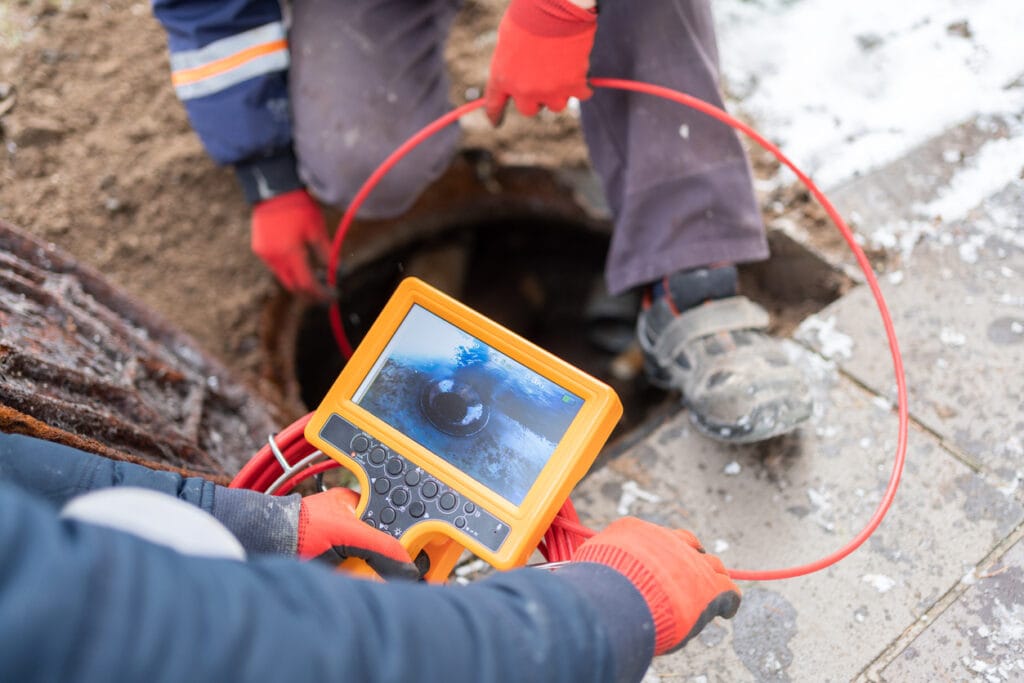
We serve homeowners across West Melbourne with fast response times, honest upfront advice, and the tools to diagnose issues quickly — including advanced leak detection technology that can pinpoint hidden leaks without unnecessary digging. No guesswork, no unnecessary call-outs, no surprises on the bill.
Call our team of plumbers Melton and Bacchus Marsh at 0489 246 667 or get in touch via our online form to book a pressure assessment today. Same-day service is available for urgent situations.