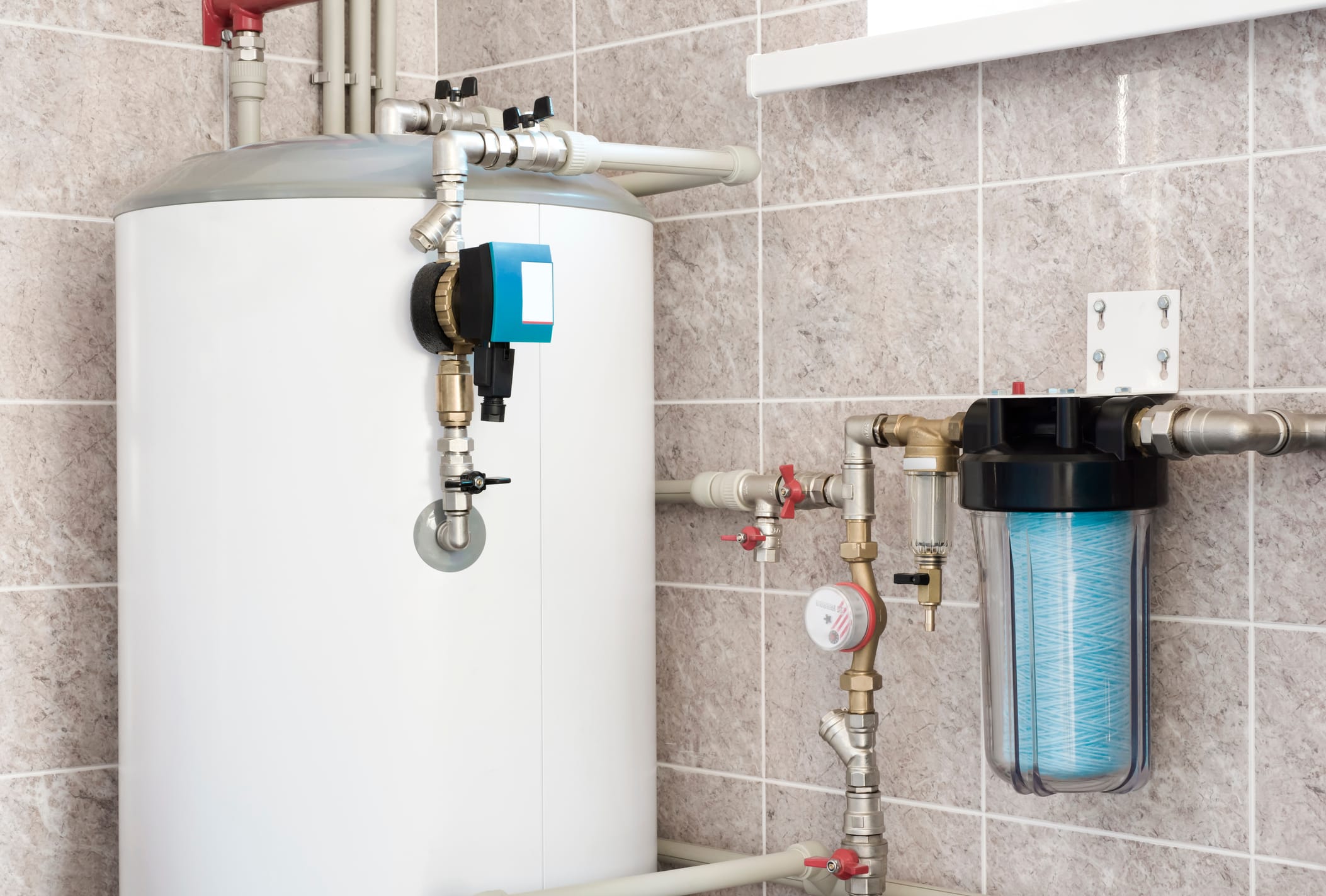
There are few things more frustrating than jumping into what should be a warm shower, only to find the hot water has already run out. Whether it is happening every morning or has become a recent and sudden problem, running out of hot water quickly is a sign that something in your hot water system is not working as it should. In West Melbourne where households range from compact units to large family homes, the right hot water solution looks different for everyone, and so does the reason it might be failing.
This guide explains the most common reasons your hot water runs out too fast, how to identify which one applies to your situation, and what the hot water repairs Melton involves. Some causes are simple and inexpensive to address. Others point to an ageing system that is nearing the end of its useful life and needs to be replaced. Either way, knowing what you are dealing with is the first step toward a reliable hot water supply.
How Your Hot Water System Works
Before diving into causes, it helps to understand the basics of how most residential hot water systems operate. The two main types are storage systems and continuous flow (instantaneous) systems, and they fail in quite different ways.
Storage Hot Water Systems
Storage systems heat a fixed volume of water — typically between 80 and 400 litres — and hold it in an insulated tank at the ready. When you use hot water, cold water enters from the bottom of the tank to replace it, while hot water is drawn from the top. The system then reheats the incoming cold water.
- The total hot water available at any given time is limited to what is in the tank.
- Recovery time — the time it takes to reheat a full tank — varies depending on the energy source and tank size. Gas systems recover faster than electric ones.
- If you draw water faster than the system can recover, you run out.
Continuous Flow (Instantaneous) Hot Water Systems
Continuous flow systems heat water on demand as it passes through the unit — there is no storage tank. In theory, they should never run out of hot water because they are always heating in real time.
- These systems are sized by their flow rate in litres per minute. If demand exceeds the unit’s rated capacity — for example, two showers running simultaneously — the output temperature drops.
- A failing continuous flow unit may struggle to keep up even with modest demand if the heat exchanger is dirty or the gas pressure is insufficient.
Common Reasons Your Hot Water Runs Out Quickly
Your Tank Is Too Small for Your Household
This is one of the most common reasons families run out of hot water, especially in growing households or after a change in occupancy — new housemates, a baby, teenagers, or elderly relatives moving in.
- As a general guide, the rule of thumb in Australia is approximately 50 litres of storage capacity per person per day for a standard electric system, and somewhat less for gas due to faster recovery times.
- A 125-litre tank that was perfectly adequate for a couple can quickly become insufficient when a third or fourth person joins the household.
- If the system has not changed but the hot water started running out around the same time your household composition changed, tank size is almost certainly the explanation.
- Upgrading to a larger tank or switching to a continuous flow system is the appropriate solution in this case.
A Faulty or Failed Heating Element
Electric storage hot water systems use one or two heating elements — similar in principle to a kettle element — to heat the water inside the tank. When one of these fails, the system’s heating capacity is reduced significantly.
- Most electric systems have two elements: an upper element and a lower element. If the lower element (which does most of the heavy lifting) fails, only the upper portion of the tank is heated, dramatically reducing the available hot water.
- A failed element will often cause the system to feel like it is “running out” much sooner than normal — for example, the first person showers fine but the second person gets cold water within a few minutes.
- Replacing a heating element is a repair job for a licensed plumber or electrician. It is generally less expensive than replacing the whole unit, provided the tank itself is in good condition.
A Faulty Thermostat
The thermostat in a hot water system controls the temperature to which the water is heated. If it is not reading accurately or has failed, the water in the tank may not reach the correct temperature — meaning it “runs out” more quickly because it was never properly hot to begin with.
- A thermostat that is set too low will produce water that feels warm but not genuinely hot, which runs out quickly once diluted by cold water in the mixer.
- Australian standards recommend storage hot water systems maintain water at a minimum of 60°C to prevent the growth of Legionella bacteria.
- If your water is only lukewarm rather than properly hot, the thermostat is the first thing a plumber Melton will check.
- Thermostat replacement is typically a straightforward and cost-effective repair.
Sediment Build-Up Inside the Tank
Over time, minerals naturally present in mains water — primarily calcium and magnesium — settle and accumulate as sediment at the bottom of the storage tank. This layer of sediment acts as an insulating barrier between the heating element and the water above it.
- The system has to work harder and longer to heat the same volume of water, which increases energy consumption and reduces efficiency.
- Sediment build-up can significantly reduce the effective heating capacity of the tank over several years, leading to less hot water being available than the tank’s rated capacity suggests.
- You may also notice a rumbling, popping, or crackling noise from the tank when it is heating — this is a sign of significant sediment accumulation.
- In some cases the tank can be flushed to remove sediment. In older tanks where sediment has been allowed to accumulate for many years, replacement is often the more practical option.
A Leaking or Improperly Sized Tempering Valve
A tempering valve (also called a thermostatic mixing valve or TMV) is fitted to most storage hot water systems in Australia. Its job is to blend hot water from the tank with cold water to deliver a safe, scalding-protected temperature at the tap — typically around 50°C in most of the home and 45°C in areas used by children or the elderly.
- If the tempering valve is faulty, it may be mixing in too much cold water and delivering a lower output temperature than it should — causing the hot water to feel like it runs out sooner.
- A leaking tempering valve can also allow cold water to back-feed into the hot water line, cooling the supply before it even reaches your taps.
- Tempering valve replacement is a licensed plumbing task and a relatively straightforward repair on most systems.
An Ageing or Undersized Continuous Flow Unit
If you have a continuous flow (instantaneous) system and still find the hot water running cold during use, the unit may be undersized for your household’s simultaneous demand, or it may be ageing and losing efficiency.
- A continuous flow unit rated at 16 litres per minute might be perfectly adequate for one shower at a time, but will struggle to supply two showers and a kitchen tap running simultaneously.
- The heat exchanger inside continuous flow units can become coated with scale over time, reducing their efficiency and effective output temperature.
- Gas pressure issues — either a partially closed isolation valve at the unit or low gas pressure from the supply — can also prevent the unit from firing at full capacity.
- A continuous flow unit that sparks and ignites but then cuts out mid-shower may have a flame failure issue related to a dirty burner or a fault in the gas valve.
High Hot Water Usage or Inefficient Habits
Sometimes the system is performing exactly as designed, but the demand placed on it has simply grown beyond what it was sized for.
- Long showers, multiple people showering in quick succession, and running a dishwasher or washing machine at the same time as bathing can combine to deplete a storage tank faster than it can recover.
- Staggering usage — for example, waiting 30 to 45 minutes between showers on an electric system — can help manage demand until a longer-term solution is in place.
- Fitting a low-flow showerhead reduces hot water consumption per shower without significantly affecting the shower experience.
When to Repair and When to Replace
One of the most common questions homeowners ask when a hot water system is underperforming is whether to repair it or replace it entirely. The honest answer depends on the age of the unit, the nature of the fault, and the cost of repair relative to a new system.
Repair Is the Right Call If:
- The unit is less than 8 to 10 years old and the fault is limited to a single component such as an element, thermostat, or tempering valve.
- The tank itself has no signs of corrosion, leakage, or structural damage.
- The repair cost is a fraction of the replacement cost and the issue is clearly diagnosed.
Replacement Is the Better Option If:
- The unit is 10 years or older and already showing signs of reduced performance.
- The tank is corroding, leaking from the body, or the sacrificial anode has not been replaced and the tank lining has deteriorated.
- You are spending money on repeated repairs and the system keeps underperforming.
- Your household has grown and the existing unit is fundamentally too small for your needs.
- You want to take the opportunity to upgrade to a more energy-efficient system — such as a heat pump hot water system, which can reduce hot water energy costs by up to 70% compared to a standard electric system.
Frequently Asked Questions
How long should my hot water last in the shower?
This depends on your tank size, the temperature it is set to, and the flow rate of your showerhead. A well-functioning 160-litre gas storage system should comfortably supply two to three standard showers (around 8 minutes each) before noticeably cooling. An electric system of the same size may have a longer recovery time, meaning back-to-back showers are more likely to deplete the available hot water. If you are running out significantly sooner than this, something in the system is not performing correctly.
Why does my continuous flow hot water system go cold mid-shower?
The most common causes are a flame failure issue (where the burner ignites but then cuts out), a flow rate that exceeds the unit’s capacity, low gas pressure at the unit, or a dirty heat exchanger that cannot maintain consistent output temperature. A plumber can diagnose which of these applies by testing the unit’s ignition, gas pressure, and heat exchanger condition during a service visit.
How often should a hot water system be serviced?
Most manufacturers and plumbers recommend a hot water system service every five years, which typically includes checking the anode rod, the pressure relief valve, the thermostat calibration, and any visible components for wear. Regular servicing extends the life of the system, maintains efficiency, and reduces the chance of sudden failure. If your system has never been serviced and is more than five years old, a service is overdue.
What is a heat pump hot water system and is it worth it?
A heat pump hot water system works similarly to a refrigerator in reverse — it extracts heat from the ambient air and uses it to heat water rather than generating heat directly. This makes it significantly more energy efficient than a standard electric storage system, using roughly one-third of the electricity for the same volume of hot water. In Victoria, heat pump systems may also be eligible for government rebates under the Energy Upgrades program, which can substantially reduce the upfront cost. They are particularly well-suited to homes in Melton and Bacchus Marsh where electricity prices make running costs a real concern.
Conclusion
Running out of hot water is more than an inconvenience — it is a signal that your system needs attention, and the longer you leave it, the more likely a minor fault becomes a full breakdown. Whether the issue is a failed heating element, an undersized tank, a faulty thermostat, or a system that has simply reached the end of its working life, the team at New Image Plumbing and Gas can diagnose and fix it properly.
We provide hot water repairs, replacements, and new system installations across Melton and Bacchus Marsh, with same-day service available for urgent situations. We work with all major brands and system types — gas, electric, continuous flow, solar, and heat pump — and will always give you an honest assessment of whether a repair or replacement makes more financial sense for your specific situation.
Call us on 0489 246 667 or request a free quote via our online form. Do not start another cold shower — let us fix it today.