Pipes do not usually fail without warning. In most cases, there are signs in the weeks or months beforehand that something is not right, signs that are easy to dismiss as minor inconveniences but are actually your plumbing system asking for attention. Catching a damaged pipe early can mean the difference between a straightforward repair by a plumber Melton and a major excavation job, or worse, significant water damage to your home.
For homeowners, understanding these early warning signs is essential. The western suburbs have a mix of newer estates and established properties with ageing infrastructure, and both can present pipe problems for very different reasons. Here is what to watch for.
What Are the Causes of Pipe Damage?
Before getting into the symptoms, it helps to understand why residential pipes deteriorate in the first place. Knowing the cause can help you identify which warning signs are most relevant to your property.
- Age-related corrosion in older metal pipes, particularly galvanised steel and cast iron, which were commonly used in homes built before the 1980s
- Tree root intrusion, where roots from nearby trees grow into pipe joints and cracks in search of moisture, gradually widening the gap
- Ground movement, which is particularly relevant in clay-heavy soils like those found across parts of Melton and Bacchus Marsh, where seasonal shrink-and-swell cycles can shift pipes underground
- High water pressure, which stresses pipe joints and fittings over time and accelerates wear
- Blockage build-up putting sustained back-pressure on older or already-weakened pipe sections
- Poor original installation, including misaligned joins, inadequate support, or use of substandard materials
- Physical damage from renovations, digging, or construction work near pipe runs
Regardless of cause, the early warning signs tend to present in a similar way, and recognising them quickly is the key to keeping repair costs manageable.
What Are the Early Warning Signs of a Damaged Pipe?
- A pipe that is cracked or has a pinhole leak can lose a significant volume of water over time, even when the leak is not visible
- A sudden or gradual increase in your water bill without a corresponding increase in usage is one of the most reliable early indicators of a hidden leak
- Compare your bills month to month and across the same period last year to identify unusual spikes
- Even a small leak of one drip per second can waste more than 11,000 litres of water per year, which will show up in your usage figures
If your bill has crept up and you cannot identify why, a plumber with leak detection equipment can locate the source without invasive digging.
Discoloured or Rusty Water
- Brown, orange, or reddish water coming from your taps is a sign of rust or sediment inside the pipe
- This is most common in homes with older galvanised steel pipes, which corrode from the inside out as the protective zinc layer wears away
- If the discolouration appears only from hot water taps, the issue may be limited to the hot water system itself rather than the supply pipes
- Discolouration from cold water taps in multiple areas of the home points more strongly to deteriorating supply pipes
- Rust particles in the water supply can clog fixtures and damage appliances as well as posing a health concern
Rusty water should not be dismissed as a cosmetic issue. It indicates that the pipe wall is corroding and the pipe may be approaching the end of its useful life.
Low Water Pressure
- A noticeable drop in water pressure at one or more taps, particularly if the change has come on gradually, often signals a blockage, corrosion build-up, or a leak in the supply line
- If the pressure drop is isolated to a single fixture, the issue may be with that tap or showerhead rather than the pipe itself
- If multiple fixtures throughout the home are affected, the problem is more likely in the main supply line or a branch pipe shared by those fixtures
- Severely corroded pipes develop internal build-up that reduces the effective bore of the pipe over time, progressively restricting flow
- A sudden pressure drop rather than a gradual one may indicate a pipe has burst or sprung a significant leak
Damp or Stained Walls, Ceilings, and Floors
- Water stains on walls or ceilings that appear without an obvious source are a strong indicator of a pipe leak behind the surface
- Bubbling or peeling paint and wallpaper can result from sustained moisture exposure behind the wall lining
- Dark patches or water stains on timber floors, particularly in areas near bathrooms, kitchens, or laundries, may point to a leaking pipe beneath the flooring
- A musty smell in a room without obvious ventilation issues can indicate hidden moisture from a slow leak that has not yet become visible
- Damp patches at the base of walls, especially at floor level, may indicate a slab leak in properties built on a concrete slab
Damp building materials also create conditions for mould growth, which becomes a health issue and an additional repair cost on top of the plumbing work.
Sounds of Running Water When Nothing Is On
- If you can hear the sound of water running or dripping inside your walls when no taps are on and no appliances are running, water is escaping somewhere it should not be
- Hissing sounds from inside a wall often indicate pressurised water escaping through a crack or joint failure
- A simple meter check can confirm whether water is flowing: turn off all taps and appliances, then watch your water meter. If the dial or digital display is still moving, water is leaking somewhere in the system
- This test is quick, free, and should be the first step if you suspect a hidden leak
Wet Patches or Unexplained Puddles in the Garden
- Persistently wet ground, soft patches, or lush grass in a specific area of your lawn when the rest is dry can indicate an underground pipe leak
- The area of unusually green or fast-growing grass above a sewer or water supply line is a classic sign of a slow underground leak that is fertilising the soil above it
- Sinkholes or depressions forming in the garden near where underground pipes are laid can indicate that soil is being washed away by an underground leak
- These signs are particularly relevant for properties in Melton and Bacchus Marsh where original sewer and water lines may be ageing or have been subjected to ground movement
Slow or Persistent Drainage Problems
- A drain that consistently drains slowly even after being cleared suggests a structural problem with the pipe rather than a simple blockage
- Pipes that have collapsed, been displaced by root intrusion, or developed significant bellying (a sag in the pipe where water pools) will produce recurring drainage problems that get worse over time
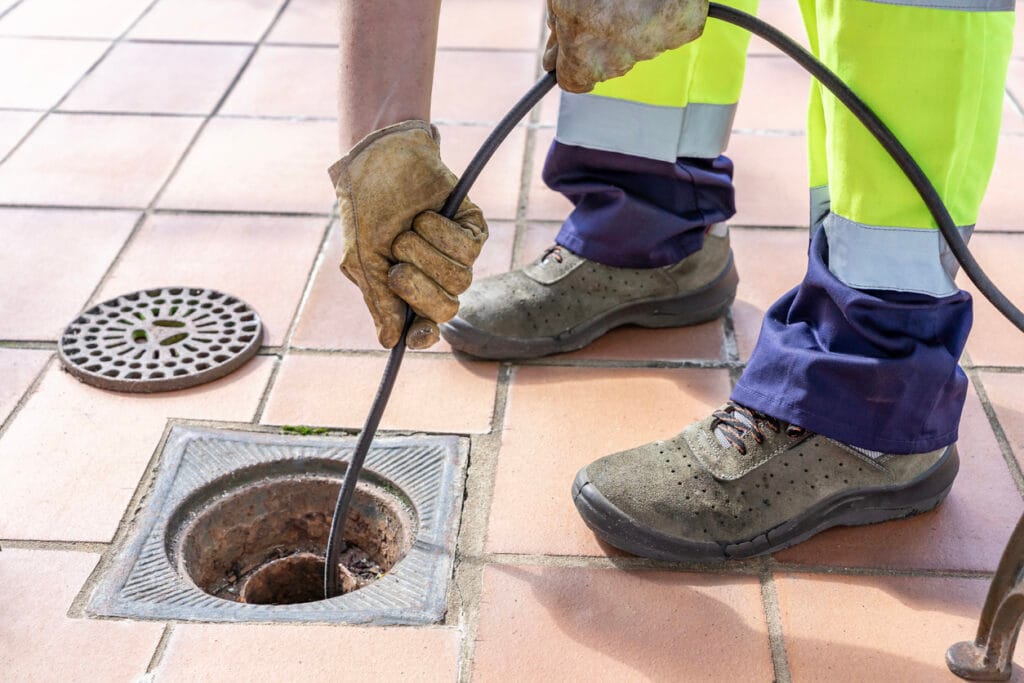
- If blockages keep returning to the same drain within weeks of being cleared professionally, the pipe’s condition should be investigated with a CCTV camera
- Multiple slow drains across the home simultaneously point toward a main sewer line issue rather than individual drain blockages
Cracks in Walls, Floors, or the Foundation
- A significant underground pipe leak can erode the soil beneath a concrete slab or foundation over time, causing it to shift and crack
- New or expanding cracks in walls, floor tiles, or the foundation of a home should always be investigated to rule out a pipe leak as a contributing cause
- This is especially relevant in properties where drainage or supply pipes run beneath the slab
- Structural movement from a slab leak tends to produce diagonal cracking from door and window corners, which is a distinct pattern from typical settling cracks
If foundation cracking is occurring alongside other signs of a plumbing problem, a plumber Bacchus Marsh and a structural engineer should both be consulted.
Banging or Hammering Sounds in the Pipes
- A hammering sound in your pipes when you turn a tap on or off is known as water hammer, and it is caused by the sudden change in water pressure when flow is stopped abruptly
- While occasional water hammer is common, frequent or severe hammering can stress pipe joints and fittings, accelerating wear and eventually causing joint failure or pinhole leaks
- If water hammer has recently become more severe or more frequent, it may indicate that a pressure regulator is failing or that pipe brackets have come loose, allowing the pipe to move freely
- Loose pipes that knock against framing or other pipes cause their own wear points over time
What to Do If You Notice These Signs
If you are seeing one or more of these warning signs in your Melton or Bacchus Marsh home, the right response depends on the severity and combination of symptoms. Some situations allow a little time to organise an inspection, while others should be treated as urgent.
Act Immediately If You Notice
- A sudden loss of water pressure across the whole home, which may indicate a burst main
- Visible water streaming from a wall, ceiling, or floor
- Sewage backing up into your home through a drain or toilet
- Structural cracking combined with other signs of a plumbing problem
Book an Inspection Promptly If You Notice
- A consistent unexplained increase in your water bill
- Rusty or discoloured water that persists beyond the initial flush
- Damp patches, staining, or peeling paint on walls and ceilings without an obvious source
- Recurring slow drains or blockages returning to the same location
- Wet ground above underground pipe runs
- Sounds of running water when no taps or appliances are in use
How Plumbers Diagnose Damaged Pipes
Modern diagnostic tools mean that identifying a damaged pipe no longer requires opening up walls or digging up the garden as a first step. An experienced plumber will use a combination of techniques to pinpoint the problem accurately before recommending any repair work.
Diagnostic Approaches Used by Licensed Plumbers
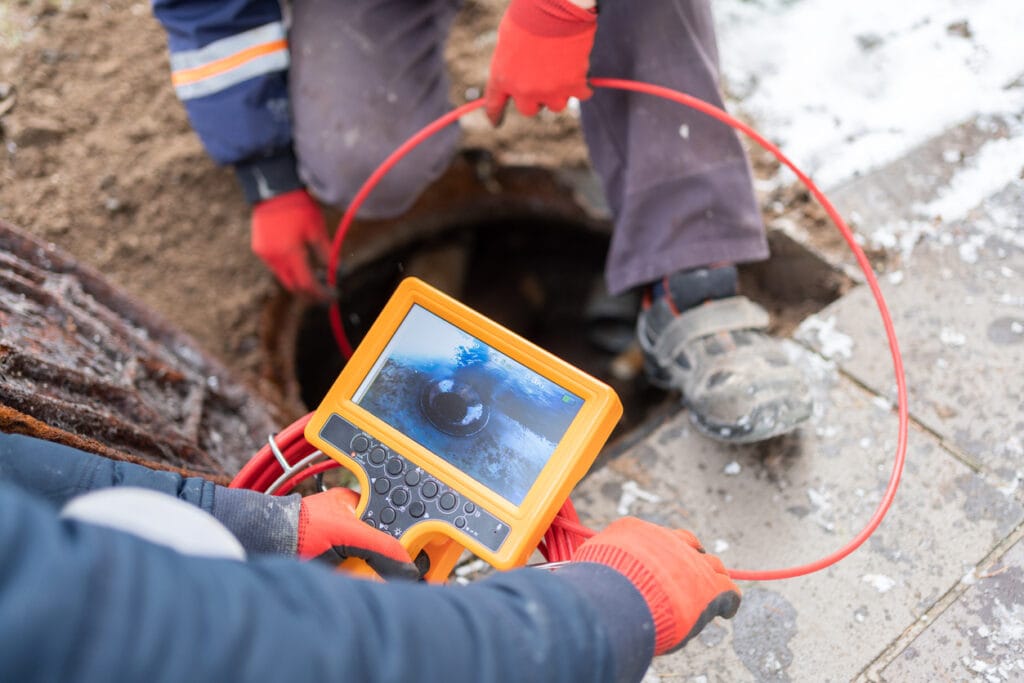
- CCTV drain camera inspection: a flexible camera is fed through the pipe to provide a live video view of the interior, showing cracks, root intrusion, displacement, corrosion, and blockages with precision
- Acoustic leak detection: sensitive equipment listens for the sound signature of pressurised water escaping through a crack, allowing the leak to be pinpointed without opening walls
- Thermal imaging: a thermal camera detects temperature differences in walls and floors caused by water escaping from a pipe, making hidden leaks visible
- Pressure testing: the water supply is isolated and pressurised to confirm whether a leak is present and to help locate it
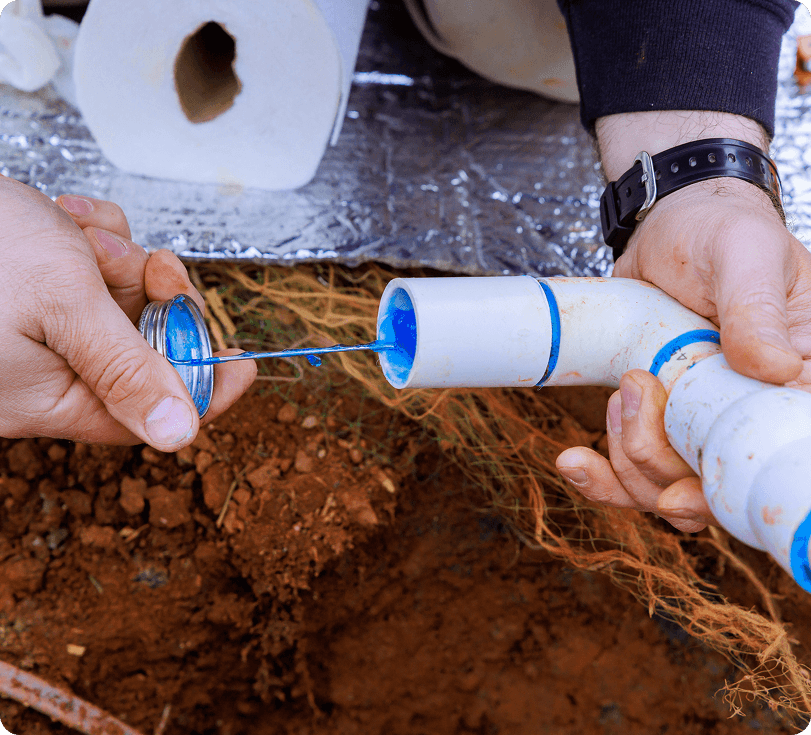
- Tracer gas testing: a safe inert gas is introduced into the pipe and detected at the surface to find the exact location of an underground leak
Using the right diagnostic tool for the situation means repairs are targeted and accurate rather than exploratory.
Repair Options for Damaged Pipes
Once a damaged pipe has been diagnosed, the repair approach depends on the nature and extent of the damage, the type and material of the pipe, and its location.
Common Repair Methods
- Section repair: replacing the damaged section of pipe while leaving the rest of the system intact. Suitable for localised damage where the surrounding pipe is in good condition
- Pipe relining: a flexible resin liner is inserted into the existing pipe and cured in place, forming a new pipe within the old one. Pipe relining Melton is ideal for cracked or root-intruded drains and avoids the need to excavate
- Full pipe replacement: where corrosion or damage is extensive, replacing the entire pipe run may be more cost-effective than repeated section repairs
- Rerouting: in some cases, particularly where a pipe is beneath a slab or in a difficult location, running a new line through a more accessible route is more practical than repairing the existing one
Frequently Asked Questions
How long do residential pipes typically last?
It depends on the material. Copper pipes can last 50 years or more when maintained well. PVC and CPVC pipes have a lifespan of around 25 to 40 years. Older galvanised steel pipes, common in homes built before the 1970s, typically last 20 to 50 years but are prone to internal corrosion that degrades water quality well before the pipe fails structurally. If your home is over 30 years old and still has original pipes, a professional inspection is worth doing proactively.
Can a small leak in a pipe cause serious damage?
Yes. Even a slow, pinhole leak can cause significant damage over time. Sustained moisture behind walls and under floors promotes mould growth, rots timber framing, corrodes metal fixings, and can eventually undermine structural elements. A small leak that is ignored for months can result in repair costs that far exceed what a simple pipe repair would have cost if the problem had been caught early.
Is it possible to have a damaged pipe and not know about it?
Absolutely. Underground pipes and pipes inside walls can leak for months without producing any obvious visible signs inside the home. The most reliable way to check for a hidden leak in the absence of symptoms is to monitor your water meter. Turn off all taps and appliances and check whether the meter continues to move. If it does, water is going somewhere it should not be.
Can tree roots really damage pipes?
Yes, and it is one of the most common causes of sewer pipe damage in suburban areas like Melton and Bacchus Marsh. Tree roots follow moisture, and even the smallest crack in a pipe joint releases enough moisture to attract roots. Once inside the pipe, roots grow quickly and can cause partial or complete blockages, as well as cracking the pipe further as they expand. Properties with established trees close to sewer or stormwater lines should have CCTV inspections periodically to check for early root intrusion.
Conclusion
The warning signs covered in this guide all have one thing in common: they are far easier and cheaper to deal with early than after significant damage has occurred. A cracked pipe that is caught before it fails completely is a repair job. The same pipe left until it bursts inside a wall or under a slab becomes a major project involving property damage, mould remediation, and considerably higher costs.
At New Image Plumbing & Gas, we service homes across Melton and Bacchus Marsh using advanced leak detection equipment and CCTV drain cameras to find problems accurately without unnecessary disruption to your property. We give you a clear picture of what is happening and honest advice on what it will take to fix it.
If you have noticed any of the warning signs in this guide, give our team a call on 0489 246 667. Same-day inspections are available for urgent situations. A quick call today can save you a significant headache down the track.