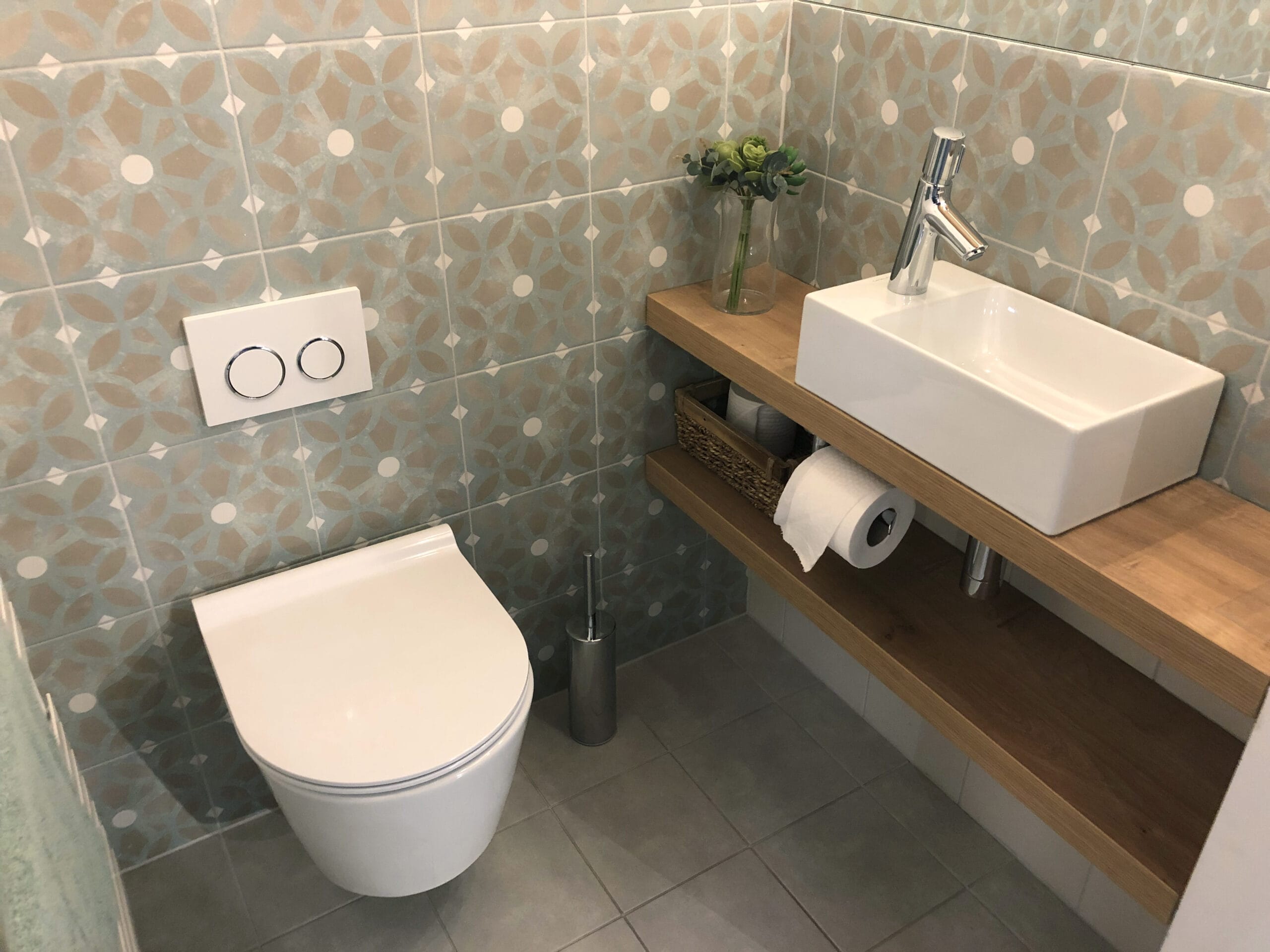
Walk into almost any modern bathroom renovation these days and you will likely spot one: a wall-hung toilet with no visible tank, a slim flush plate mounted flush with the tiles, and a bathroom that feels noticeably bigger and cleaner than anything you might have grown up with. That is an in-wall toilet cistern at work, and it is one of the most searched bathroom upgrades among homeowners across Melbourne’s west right now.
But a sleek look is only part of the story. An inwall cistern toilet involves a significant installation by a qualified plumber Melton, a different approach to long-term maintenance, and an upfront cost that is noticeably higher than a standard close-coupled toilet. Before you commit, it is worth understanding exactly how the system works, what you are gaining, what trade-offs you are accepting, and whether your bathroom and budget are set up for it. This guide covers all of it.
What Is an In-Wall Toilet Cistern?
An in-wall toilet cistern, sometimes called a concealed cistern or inwall toilet cistern, is a water tank that is installed inside the wall cavity behind the toilet rather than sitting on top of or behind the bowl in a visible position. The cistern is housed inside a steel or plastic frame called a carrier frame or in-wall frame, which is built into the wall structure during construction or renovation. Once the wall is tiled and finished, the only visible elements are the toilet bowl itself, which is wall-hung rather than floor-mounted, and the flush plate or button panel on the wall surface.
The core mechanism works the same as any toilet cistern: water fills the tank, the flush button releases it into the bowl, and the tank refills via the water supply connection. The difference is purely in placement. Instead of the cistern being accessible by lifting a lid, everything is concealed within the wall. Access for maintenance is provided through the flush plate, which can be removed, or through a small service panel built into the frame during installation.
How Does an Inwall Cistern Toilet System Work?
Understanding the components helps you make sense of both the installation process and the ongoing maintenance requirements. A typical in-wall toilet system consists of four key parts working together:
- The carrier frame: A rigid steel or heavy-duty plastic frame that bolts to the floor and the wall studs. It carries the full weight of the wall-hung toilet bowl and the person sitting on it, which is why frame quality matters. Reputable brands engineer their frames to support loads of 400 kilograms or more. The cistern sits within this frame.
- The concealed cistern: A slim, rectangular plastic cistern that fits inside the carrier frame. Because it needs to fit within a standard wall cavity, it is designed to be narrow, typically around 120 to 150 millimetres deep. Despite its compact shape, it holds the same flush volume as a standard cistern, usually between three and six litres for a half flush and four and a half to nine litres for a full flush, in line with Australian plumbing standards (AS/NZS 6400).
- The flush plate: The panel mounted on the tiled wall surface that contains the flush buttons or a single push pad. Most flush plates are dual-flush, offering a half flush for liquid waste and a full flush for solid waste. Flush plates come in a wide range of materials and finishes including chrome, brushed nickel, matte black, white, and glass, and they are usually replaceable independently so you can update the look without touching the plumbing.
- The wall-hung toilet bowl: Unlike a floor-mounted toilet, the bowl is attached directly to the carrier frame via concealed bolts. It has no base touching the floor, which is one of the reasons the bathroom looks so much cleaner. The bowl height is adjustable during installation, which is particularly useful for households with different users or for accessible bathroom requirements.
Water connects to the cistern via a standard supply line from the wall, and the waste outlet connects to the floor waste. Most modern in-wall systems use a standard connection that a licensed plumber Bacchus Marsh or Melton can hook up without structural alterations beyond the wall cavity work.
What Are The Advantages of an In-Wall Toilet Cistern?
There are genuine, practical benefits to choosing an inwall cistern toilet, and they go beyond aesthetics. Here is an honest look at what homeowners tend to value most after installation:
Space Saving in Smaller Bathrooms
A standard close-coupled toilet with a visible cistern typically projects 700 to 800 millimetres out from the wall. A wall-hung toilet with a concealed cistern projects roughly 500 to 560 millimetres from the wall face, depending on the bowl depth. In a compact bathroom, that 200 to 300 millimetres makes a real difference to how the room feels and functions. Many new homes have smaller ensuite bathrooms where every centimetre counts.
Easier Cleaning and Better Hygiene
A wall-hung toilet bowl with no floor base and no exposed cistern dramatically reduces the number of surfaces where dust, grime, and bacteria collect. The floor beneath the toilet is completely clear, making mopping straightforward and eliminating the grout lines and crevices around a floor-mounted base that trap dirt over time. For families with young children or households with high hygiene standards, this is a genuinely practical benefit rather than just a cosmetic one.
Quieter Operation
The wall cavity acts as a natural sound barrier around the cistern. The filling and flushing noise is significantly muffled compared to a standard exposed cistern, which can be particularly welcome in open-plan homes or where a bathroom sits adjacent to a bedroom or living area. Many homeowners report this as an unexpected benefit they noticed only after installation.
Adjustable Bowl Height
The carrier frame allows the toilet bowl to be set at a custom height during installation rather than being fixed at the standard floor-mounted height. This is useful for taller households, for meeting accessibility requirements, or simply for improving comfort. The typical adjustable range is between 380 and 480 millimetres from floor to seat.
Modern Aesthetic That Adds Property Value
Wall-hung toilets with concealed cisterns are a recognised feature in contemporary bathroom design and are increasingly expected in renovated homes listed for sale across Melbourne’s western suburbs. A well-executed bathroom renovation including an in-wall toilet system can contribute meaningfully to resale value, particularly in areas like Melton South, Bacchus Marsh, and Caroline Springs where owner-occupiers are investing significantly in home improvements.
Dual Flush Water Efficiency
All in-wall toilet cisterns sold in Australia must comply with AS/NZS 6400, the Australian and New Zealand standard for water-efficient products. This means every in-wall system comes with a dual-flush mechanism as standard. Choosing a high WELS (Water Efficiency Labelling and Standards) rated cistern reduces household water consumption and, over time, lowers water bills. South East Water, which services parts of the Melton and Bacchus Marsh region, includes rebates for high-rated water-efficient fixtures in some renovation programs.
What Are The Disadvantages of an In-Wall Toilet Cistern?
An honest assessment of inwall cistern toilets has to include the genuine drawbacks. These are not deal-breakers for every situation, but they are important factors that homeowners should weigh carefully before committing to the installation.
Higher Upfront Cost
An in-wall toilet system costs significantly more to purchase and install than a standard toilet. You are buying the carrier frame, the concealed cistern, the flush plate, and the wall-hung bowl as separate components, and the installation involves more labour than a standard toilet replacement. As a rough guide, expect to budget between $1,500 and $3,500 or more for supply and installation depending on the brand, the complexity of the wall cavity work, and whether tiling needs to be redone around the frame. This compares to $400 to $1,200 for a quality standard toilet installation.
More Complex Installation
Installing an inwall toilet cistern properly is not a simple plumbing job. The carrier frame must be correctly positioned and secured, the wall cavity must accommodate the frame depth, the plumbing supply and waste connections must be repositioned in many cases, and the wall then needs to be finished and retiled. In a new bathroom build or a full renovation, this is straightforward to incorporate. In an existing bathroom where you are simply upgrading the toilet, it involves considerably more disruption and cost, including opening walls and retiling the affected area.
Access for Repairs and Maintenance
This is the most commonly cited concern with in-wall toilet systems, and it is worth addressing honestly. Because the cistern is concealed within the wall, accessing internal components for repair is not as simple as lifting a lid. However, reputable modern in-wall systems are designed with this in mind. The flush plate is removable to provide access to the cistern internals, and the carrier frame typically includes a service panel. A licensed plumber experienced with concealed cistern systems can service or replace internal components through these access points without demolishing the wall, provided the system was installed correctly in the first place. Where problems arise is typically in older or poorly installed systems where access was not properly planned.
Risk of Hidden Leaks
A concealed cistern that develops a slow internal leak can, in theory, allow water to accumulate within the wall cavity before it becomes visible. This risk is real but is significantly reduced by three factors: quality of installation, quality of components, and the design of modern carrier frames, which include drainage channels to direct any water to the floor rather than into the wall structure. Choosing a reputable brand such as Geberit, Grohe, or TECE and having the system installed by a licensed plumber who torques connections correctly reduces this risk substantially. A poorly installed or budget system without proper drainage provisions carries a higher risk.
Not Suitable for All Wall Types
An in-wall toilet cistern requires a wall with sufficient cavity depth to house the carrier frame, and the wall must be capable of anchoring the frame securely. Plasterboard-framed walls are generally suitable. Solid brick or concrete walls require a different approach, typically a false wall built out from the existing structure, which adds to the cost and reduces floor space. Your plumber can assess wall suitability during a site inspection before any work begins.
In-Wall Cistern vs Standard Cistern: A Direct Comparison
To make the decision clearer, here is how the two options compare across the factors that matter most to homeowners in Melton and Bacchus Marsh:
- Appearance: The in-wall system delivers a clean, minimal look with no visible tank. A standard cistern is functional but visually bulkier. If the bathroom aesthetic matters to you, the in-wall system is hard to match.
- Floor space: The wall-hung bowl with a concealed cistern saves 200 to 300 millimetres of floor projection compared to a standard floor-mounted toilet. In a small bathroom, this can genuinely transform how the room feels.
- Cleaning: The wall-hung design makes floor cleaning effortless. A standard toilet requires cleaning around the base and behind the cistern, both of which are awkward surfaces to reach.
- Installation cost: Standard toilet: lower. In-wall system: significantly higher. If budget is a priority concern, a quality close-coupled or back-to-wall toilet is a very practical alternative.
- Maintenance ease: Standard cisterns are very easy to access and service. In-wall systems require a plumber familiar with concealed cistern work, but modern systems are designed to be serviceable through the flush plate and access panels without wall demolition.
- Noise: The in-wall cistern is noticeably quieter during filling and flushing. A standard cistern produces more audible noise.
- Water efficiency: Both types are available with dual-flush mechanisms and can achieve high WELS ratings. Neither has a clear advantage here.
- Lifespan: A quality in-wall system from a reputable brand is built for long-term use, with many European systems carrying 10-year or longer warranties on the frame and cistern. Internal components such as the flush valve and fill valve are consumable items in both system types.
What to Look for When Choosing an In-Wall Toilet System
If you decide an inwall cistern toilet is the right choice for your bathroom, there are several factors worth paying attention to when selecting the system:
Frame Load Rating
- Check the manufacturer’s stated load rating for the carrier frame. A minimum of 400 kilograms is standard for quality frames.
- Frames from reputable brands such as Geberit (Swiss), Grohe (German), and TECE (German) meet or exceed this standard and are widely supported by plumbing suppliers across Victoria.
- Avoid unbranded or low-cost frames where load ratings are not independently certified.
Cistern Warranty and Parts Availability
- Internal components (flush valves, fill valves, seals) will eventually need replacing. Choose a brand whose parts are readily available in Australia, not a brand that requires parts to be ordered from overseas on long lead times.
- Check whether the cistern carries a separate warranty to the frame, and what the warranty terms cover.
- Most reputable brands offer two to five years on internal components and ten years or more on the frame structure.
WELS Rating
- The Water Efficiency Labelling and Standards (WELS) scheme rates toilets from one to six stars. A four-star or higher rated dual-flush cistern delivers meaningful water savings over the life of the product.
- South East Water and Western Water, the two authorities servicing most of the Melton and Bacchus Marsh area, periodically offer rebates on high-rated water-efficient fixtures. Your plumber can advise on current eligibility.
Flush Plate Compatibility
- The flush plate is the one visible component of the entire system. It needs to suit your bathroom’s style, and it is worth choosing a plate that allows access to the cistern internals for servicing.
- Most carrier frames from a given brand accept multiple flush plate styles, so you are not locked into a single look. Confirm compatibility before purchasing plate and frame separately.
Common In-Wall Cistern Problems and How to Prevent Them
Being aware of the issues that can arise with inwall toilet cisterns allows you to make installation choices that minimise the risk of problems later. The most common issues seen in the field are:
Slow or Incomplete Flushing
- Usually caused by the flush valve not opening fully, a low water level setting in the cistern, or a partially closed isolation tap on the supply line.
- A plumber can access the cistern internals through the flush plate to check and adjust the water level setting and inspect the flush valve without wall demolition.
Cistern Continuously Running
- A running concealed cistern is often first noticed as a faint hissing or trickling sound from the wall. It typically indicates a worn flush valve seal or a fill valve that is not shutting off at the correct water level.
- Both components are replaceable through the access provided by removing the flush plate. Delaying this repair wastes water and increases the risk of prolonged moisture within the wall cavity.
Condensation on the Flush Plate or Wall
- Condensation forming on the outer surface of the tiled wall around the flush plate can indicate temperature differentials between the cold water in the cistern and the bathroom air. This is more common in poorly ventilated bathrooms.
- Ensuring adequate bathroom ventilation and, where possible, selecting a cistern with a foam-lined body reduces this effect.
Frame Movement or Toilet Bowl Wobble
- If the wall-hung bowl develops any movement or rocking, the fixing bolts connecting the bowl to the carrier frame need to be checked and retightened. This should not occur if the frame was correctly installed but can develop over many years of use.
- A plumber can tighten the fixing bolts without affecting the wall or tiling.
Is an In-Wall Toilet Cistern Right for Your Home?
An inwall cistern toilet is a strong choice in the following situations:
- You are undertaking a full bathroom renovation where wall cavity work is already planned and tiling will be done regardless.
- You have a smaller bathroom or ensuite where gaining 200 to 300 millimetres of floor space would make a real difference.
- The bathroom aesthetic matters to you and you want a contemporary finish that adds to the property’s appeal.
- You have a household with accessibility considerations and want the flexibility of a custom bowl height.
- Your budget allows for the higher upfront cost and you understand it is a long-term investment rather than a like-for-like replacement.
It is a less suitable choice in these situations:
- You simply need to replace a broken toilet and budget is a priority concern. A quality back-to-wall or close-coupled toilet will serve you well at a fraction of the cost.
- The bathroom has solid brick or concrete walls with no cavity, and building a false wall is not practical or desirable.
- You are renting the property and the decision is not yours to make about structural modifications.
Frequently Asked Questions
Can an in-wall toilet cistern be installed in an existing bathroom without a full renovation?
Yes, but it involves more disruption than installing one during a full renovation. The wall behind the toilet needs to be opened to install the carrier frame, plumbing connections need to be repositioned in most cases, and the wall then needs to be refinished and retiled. It is achievable but costs more than installing the same system as part of a broader bathroom project. Your plumber can assess the specific requirements of your existing bathroom before you commit.
How do you fix an in-wall cistern if something goes wrong?
In most cases, a licensed plumber can access the cistern’s internal components by removing the flush plate. Modern in-wall frames are designed with service access in mind. The flush valve, fill valve, and seals are all replaceable through this access point. Wall demolition is generally not required for routine maintenance or most repairs on a properly installed system.
How long does an in-wall toilet cistern last?
The carrier frame from a quality manufacturer is designed to last the life of the building, with most carrying warranties of ten years or more. Internal components such as flush valves and fill valves are consumable parts that may need replacing every ten to fifteen years depending on water quality and usage. Parts availability from the manufacturer is the key factor in long-term serviceability, which is why choosing a brand with established Australian distribution matters.
Are in-wall toilet cisterns water efficient?
All toilets sold in Australia must meet minimum WELS water efficiency standards, and in-wall systems are available with high star ratings. A four-star or higher dual-flush cistern uses significantly less water per flush than older single-flush toilets. Over the course of a year across a typical household, the difference in water consumption is meaningful. Western Water and South East Water, which supply the Melton and Bacchus Marsh areas, may offer rebates on high-rated fixtures, so it is worth checking current programs when planning a renovation.
Do I need a licensed plumber to install an in-wall toilet cistern in Victoria?
Yes. In Victoria, all plumbing work including toilet installation must be carried out by a licensed plumber. This is a legal requirement under the Plumbing Regulations 2018, not just a recommendation. In-wall toilet systems are more complex than standard toilet installations and require correct frame securing, plumbing connection, and testing before the wall is closed. Using a licensed plumber also protects you if any warranty claim is required in the future, as most manufacturers require licensed installation for warranty validity.
Conclusion
An inwall cistern toilet is one of the most impactful single upgrades you can make to a bathroom, but getting it right comes down to proper installation. A poorly secured frame, incorrect plumbing connections, or an inadequate access provision can turn a premium fixture into an ongoing headache. The difference between a system that performs flawlessly for decades and one that causes problems within a few years almost always comes down to the quality of the installation work.
At New Image Plumbing and Gas, the team has installed in-wall toilet cistern systems across Melton, Bacchus Marsh, Caroline Springs, Deer Park, and the surrounding western suburbs. We will assess your bathroom, advise on frame and cistern options suited to your space and budget, handle the full installation including any wall cavity and plumbing work, and leave you with a finished result you can be confident in.
If you are planning a bathroom renovation or simply want to understand what is involved in switching to a wall-hung toilet, give us a call or request a free quote. There is no pressure and no obligation. We will give you an honest assessment of what your specific bathroom requires and what it will cost before any work begins.
Call us on 0489 246 667 or request your free quote via our online form.