A sewage smell from your drains is easy to dismiss as a temporary nuisance. You pour bleach down the drain, the smell disappears for a day or two, and then it is back. If that cycle sounds familiar, the bleach is not fixing the problem. It is masking a symptom. Something specific is causing that smell, and it will not stop until that cause is actually addressed. In West Melbourne homes, a sewage smell from drains almost always comes down to one of a handful of causes, each with a different fix. Some of those fixes are simple DIY jobs. Others need a licensed plumber Melton. This guide explains how to tell the difference and what to do about each one.
What Actually Causes a Sewage Smell From Drains?
Dry or Empty Drain Traps
Every drain in your home connects to the sewer through a trap, which is the U-shaped section of pipe visible under sinks. The trap holds a small volume of water at all times, and that water acts as a physical barrier that blocks sewer gas from travelling back up through the drain and into the room.
If the water in the trap evaporates because a drain is not used regularly, the seal disappears and sewer gas flows freely through it. Common situations where this happens:
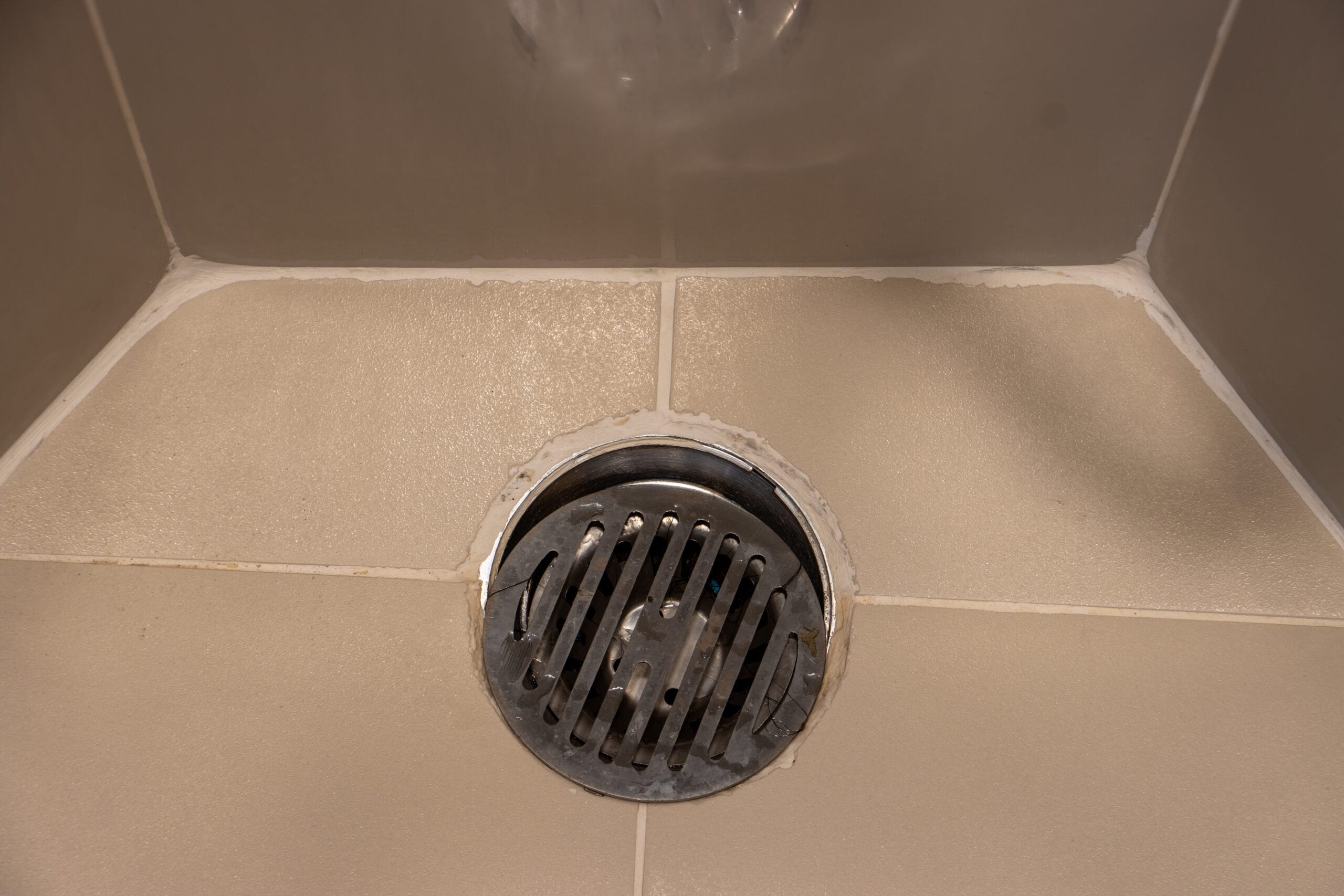
- Floor drains in laundries, bathrooms, or garages that do not receive regular water flow
- Guest bathrooms that sit unused for weeks at a time
- Rooms or fixtures in holiday homes or investment properties between tenancies
The fix is straightforward: run water down every drain in your home every few weeks if the fixture is not being used regularly. For floor drains, pouring a tablespoon of cooking oil down after the water slows evaporation and keeps the seal intact longer. If the smell returns quickly after running water down the drain, a dry trap is probably not the only issue at play.
Blocked or Partially Blocked Drains
Grease, hair, food scraps, soap scum, and organic matter that accumulate inside drain pipes decompose over time. That decomposition produces hydrogen sulphide and methane, which are the gases responsible for the rotten egg or sewage smell. The blockage does not need to be complete for this to happen. A partial obstruction that traps material on the pipe walls is enough.
Common patterns to be aware of:
- Kitchen drains are particularly prone to grease buildup, especially in households that cook with oils frequently
- Bathroom drains collect hair and soap scum at every use
- If the smell is coming specifically from a kitchen sink or bathroom basin, a partial blockage is the most likely cause after a dry trap
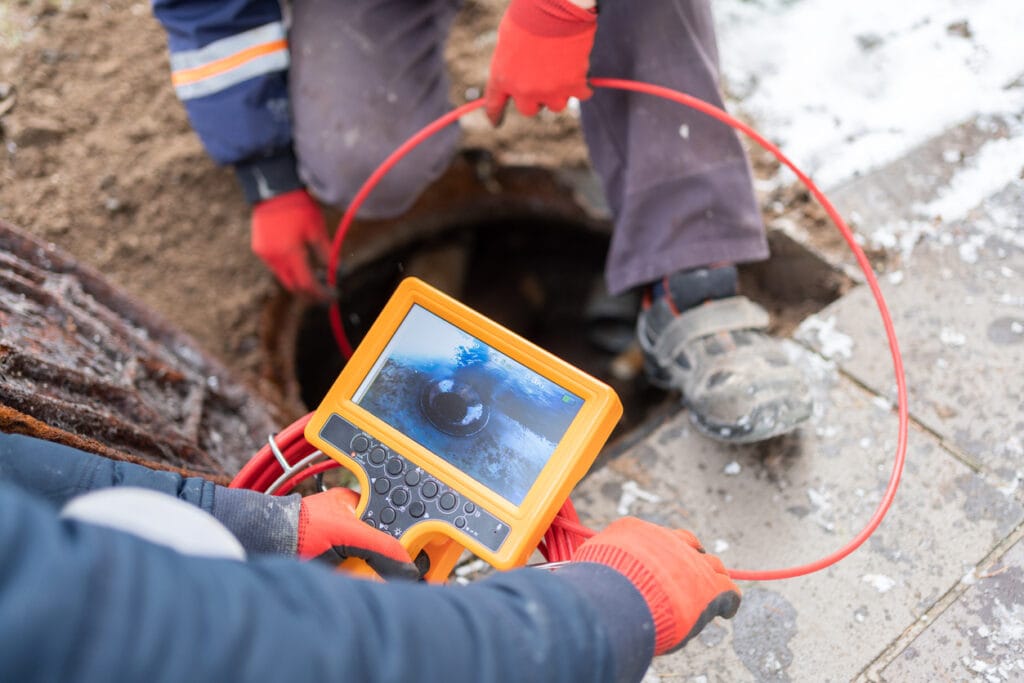
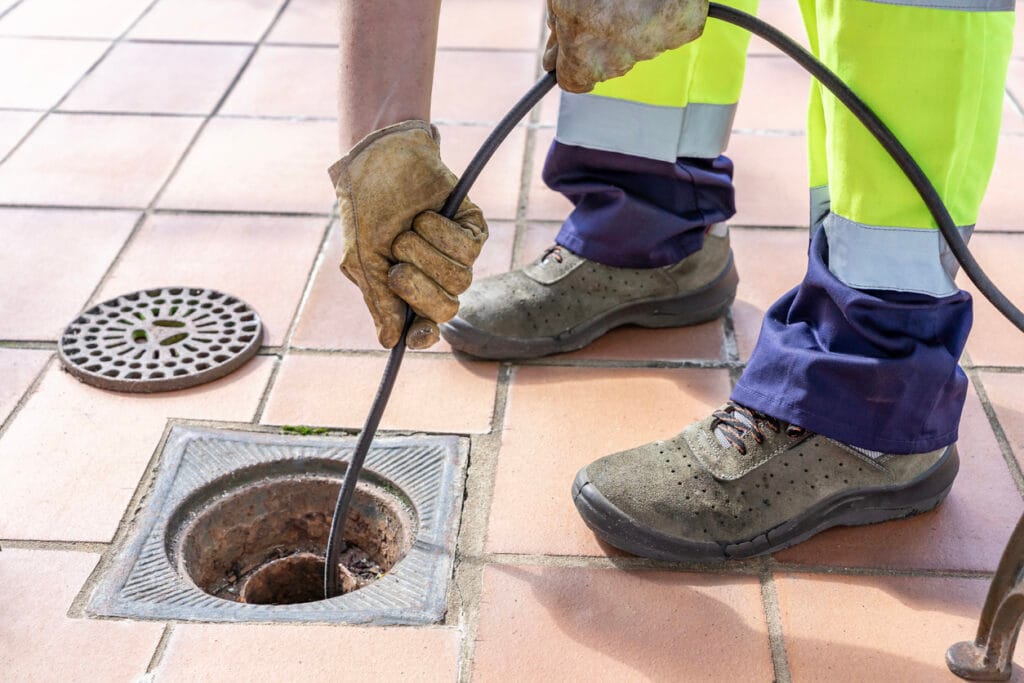
Chemical drain cleaners are not the answer here. They may dissolve some soft organic matter temporarily but they do not clean the pipe walls, and repeated use of caustic products can damage older PVC pipes and rubber seals. A licensed plumber with a high-pressure water jet can thoroughly clean the pipe interior and remove the buildup generating the smell. A drain camera inspection before and after confirms the job is done completely.
A Blocked or Restricted Vent Pipe
Your drainage system is not designed to handle water alone. It also needs to manage air pressure. Vent pipes extend from the drain system up through the roof, allowing outside air into the system as water flows out. This prevents negative pressure from building up, which would slow drainage and pull water out of your traps.
When a vent pipe is blocked by leaves, a bird’s nest, debris, or a damaged section of pipe, the system cannot equalise pressure. Water flowing through the drains creates a siphon effect that pulls water out of nearby traps, breaking the gas seal. Signs that a blocked vent pipe is the likely cause:
- The smell affects multiple fixtures simultaneously rather than just one drain
- You hear gurgling from drains that are not being used while another fixture is running
- The problem persists after all traps have been refilled and drains cleaned
Clearing a blocked vent pipe requires a licensed plumber and in most cases involves accessing the roof. This is not a DIY job.
A Cracked or Leaking Sewer Line
If the sewer line running from your home to the street connection has cracked, been displaced by ground movement, or been damaged by tree root intrusion, raw sewage is leaking into the surrounding soil. Gas from that sewage migrates through the soil and can enter the home through cracks in the slab, around pipe penetrations, or through gaps in the drainage system.
This is a particularly relevant risk in Melton and Bacchus Marsh. The clay-heavy soils across both areas expand and contract significantly with seasonal moisture changes. Underground drain lines, particularly older clay pipe sections and concrete pipe joints, are vulnerable to cracking and joint failure under that repeated stress. Established trees on a property add the risk of root intrusion through cracked joints.
What to expect from a professional assessment:
- A CCTV drain camera inspection to locate exactly where the damage is
- Identification of whether the cause is ground movement, root intrusion, or pipe deterioration
- A repair recommendation, which may be pipe relining, targeted excavation and replacement, or a combination depending on the extent and location
Ignoring a cracked sewer line does not buy time. It gets progressively worse, and the gas exposure inside your home gets worse with it.
Bacterial Growth in the Hot Water System
If the sewage smell is specifically coming from the hot water tap rather than the drain, the source may not be the drain at all. Hot water storage systems set to a low operating temperature, or that have sat unused for an extended period, can develop sulphate-reducing bacteria inside the tank. These bacteria produce hydrogen sulphide, which creates a rotten egg smell that comes through with the hot water.
This is more common in:
- Homes where the hot water system was turned off or set very low while the house was vacant
- Properties that have changed tenants and had the hot water system sitting idle
- Older systems where the sacrificial anode has fully corroded, changing the water chemistry inside the tank
A licensed plumber can flush and service the system and adjust the operating temperature to eliminate the bacteria. If the smell is exclusively from hot water taps, this is worth investigating before assuming the issue is with the drains.
A Faulty or Deteriorated Toilet Wax Seal
The wax seal at the base of the toilet creates a watertight connection between the toilet bowl outlet and the floor flange. When this seal deteriorates, cracks, or was not correctly installed originally, sewer gas can bypass the water trap in the bowl and enter the bathroom. The smell tends to be concentrated in the bathroom itself rather than spread through the house.
Signs of a failing toilet wax seal:
- The toilet rocks slightly when you sit on it
- There is water staining at the base of the toilet on the floor
- There is a sewage smell that is noticeably worse in the bathroom and fades in adjoining rooms
Replacing the wax seal is a straightforward plumbing repair that resolves this problem completely. It does require removing the toilet pan, which is why it is a licensed plumber job rather than a DIY task.
When Is a Sewage Smell an Emergency?
Most sewage smells from drains are unpleasant but not immediately dangerous in a well-ventilated home. However, certain situations require urgent action. Ventilate your home immediately by opening all windows and doors and get outside if:
- The smell is strong, concentrated, and getting worse
- It is coming from multiple areas of the home simultaneously
- You are experiencing headaches, nausea, or dizziness
Sewer gas contains hydrogen sulphide, which is toxic at elevated concentrations, and methane, which is flammable. If you are unsure whether you are smelling sewer gas or natural gas, treat it as a gas emergency: leave the property without operating any electrical switches and call the gas emergency line on 132 771 (Multinet Gas for Melton and Bacchus Marsh area customers).
How to Diagnose the Source of the Smell
Before calling a plumber, work through these steps in order to narrow down the cause:
- Run water down every drain in the house, including floor drains, and wait 30 minutes. If the smell disappears and does not return for a week or more, dry traps were the cause.
- Check whether the smell is worse at specific fixtures. Kitchen sink only suggests grease buildup. Bathroom basin only suggests hair and soap buildup. All drains simultaneously suggests a vent pipe problem or a main sewer issue.
- Check whether the smell comes specifically from the hot tap. If it does, the hot water system needs investigation, not the drains.
- Inspect the base of each toilet for any rocking, staining, or dampness. A rocking toilet points to a failing wax seal.
- If the smell persists after addressing any obvious cause, the issue is in the drain or sewer line and needs a professional inspection.
Conclusion
A licensed plumber Bacchus Marsh or Melton attending a sewage smell callout will systematically work through the possible causes, starting with the accessible and obvious ones: trap water levels, visible pipe sections, and fixture condition. If those do not identify the source, the next step is a CCTV camera inspection of the main sewer line to look for cracks, displacement, root intrusion, and blockages beyond what standard drain cleaning can reach.
For vent pipe issues, the plumber will assess whether the roof-level vents are clear and intact. For hot water bacteria, the diagnosis is straightforward once the smell pattern is confirmed to be specific to the hot tap.
New Image Plumbing and Gas investigates sewage smells and blocked drains across West Melbourne. We carry CCTV camera equipment and can carry out a full drain inspection on the same visit. Call 0489 246 667 or submit our online form to arrange a time.
Frequently Asked Questions
Is a sewage smell from drains dangerous to my health?
Sewer gas contains hydrogen sulphide and methane. At the low concentrations typical of a household drain problem in a well-ventilated home, the primary impact is discomfort and nuisance rather than acute health risk. However, if the smell is strong, concentrated, or accompanied by headaches, nausea, or dizziness, ventilate the home immediately and get outside. High concentrations of hydrogen sulphide are toxic. If there is any uncertainty about whether you are smelling sewer gas or natural gas, treat it as a gas emergency and leave the property.
Why does the sewage smell come and go rather than being constant?
Intermittent smells are usually linked to changes in atmospheric pressure, temperature, or the condition of trap seals. A trap that is nearly dry may allow gas through in warm, low-pressure conditions but hold adequately when it is cooler. A partial blockage produces more gas when organic material is actively decomposing. A restricted vent pipe may be less effective on still days with no wind to assist airflow. The smell coming and going does not mean the cause has resolved itself. It is still there and needs to be identified and fixed.
Can I use chemical drain cleaners to fix a sewage smell?
Chemical drain cleaners might temporarily reduce the smell if a partial blockage of soft organic matter is the cause, but they will not thoroughly clean the pipe walls and will not address any of the other causes of sewage smell. Repeated use of caustic drain cleaners can damage older PVC pipes and rubber seals, creating new problems. A high-pressure water jet cleaning by a licensed plumber is more effective for clearing buildup without risking chemical damage to the pipes.
Why does my bathroom smell like sewage even though the toilet flushes fine?
A functioning flush does not rule out a sewer gas problem. The most common causes of a sewage smell in a bathroom with a working toilet are a dry floor drain trap (particularly if the bathroom has a floor drain that rarely gets used), a failing toilet wax seal (which can leak gas without affecting the flush at all), or a blocked vent pipe. Check whether your bathroom has a floor drain and when water was last run through it. If the toilet rocks even slightly or there is staining at its base, the wax seal needs replacing.